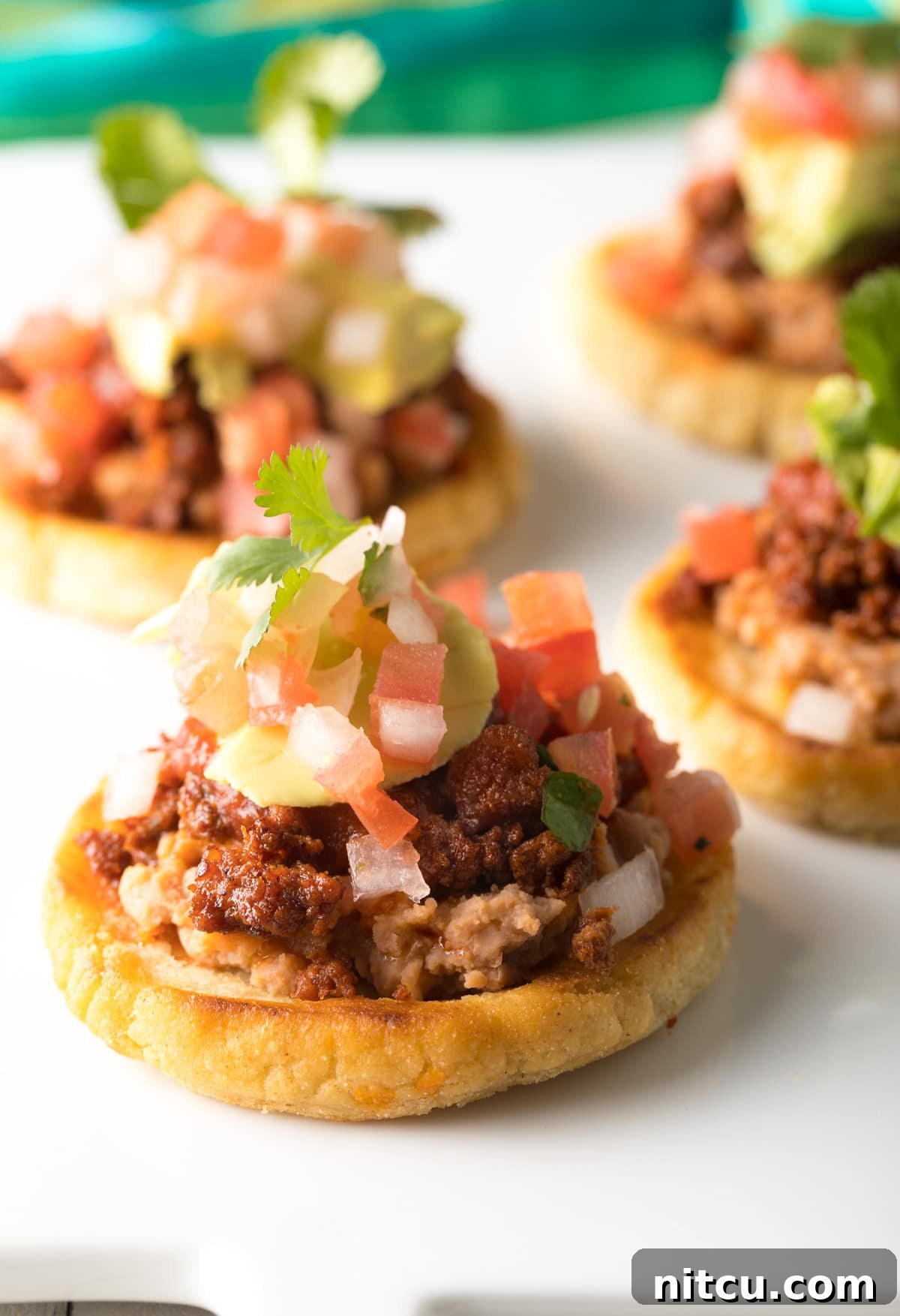
Embark on a culinary journey to the heart of Mexico with our incredible, easy-to-follow Mexican Sopes recipe. These delightful corn cakes are a staple of traditional Mexican cuisine, celebrated for their uniquely satisfying texture – perfectly crispy on the outside, yet wonderfully soft and tender in the middle. Beyond their exquisite standalone flavor, Sopes serve as the ideal edible canvas, ready to be adorned with an endless array of savory toppings. If you’ve been searching for an authentic taste of Mexico that transcends the usual Tex-Mex fare, you’ve found your next favorite dish. This guide will walk you through every step to create truly remarkable homemade Sopes that will impress your family and friends and transport your taste buds straight to a vibrant Mexican fiesta.
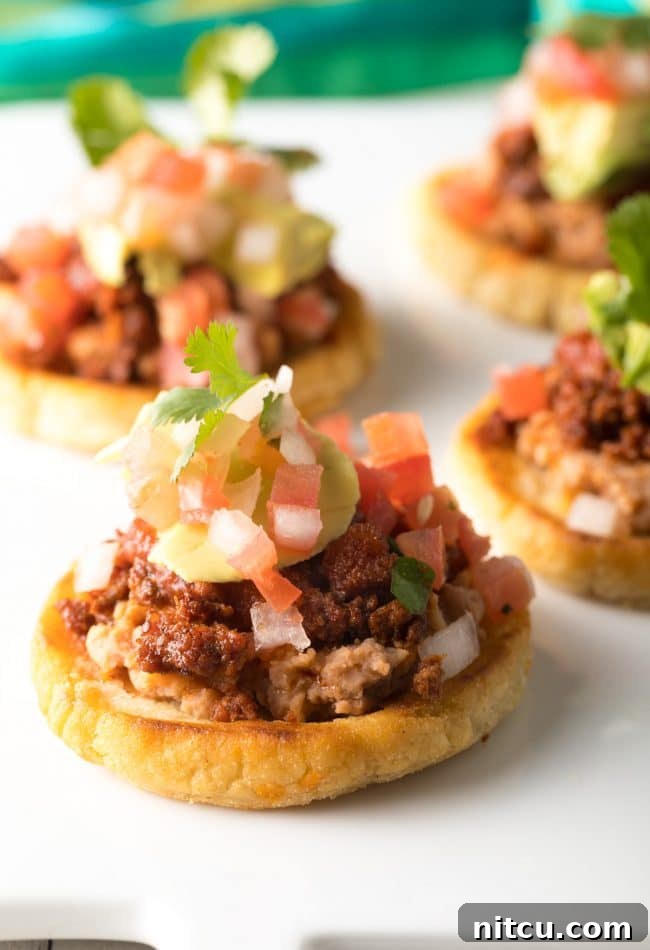
Authentic Mexican Sopes: A Culinary Dive
When many of us envision traditional Mexican cuisine, our minds often conjure images of popular dishes that, while delicious, actually fall under the broader “Tex-Mex” umbrella. Think burritos, chimichangas, and cheesy quesadillas often featuring large flour tortillas. While there’s absolutely a time and place for these delicious fusion foods – who can resist a cheesy breakfast taco folded in a warm flour tortilla? – they represent a departure from the culinary heartland of Mexico.
Authentic Mexican gastronomy, rich in history and flavor, primarily celebrates corn. For centuries, corn has been the bedrock of the Mexican diet, forming the base of staples like tortillas, tamales, and, of course, Sopes. The introduction of flour-based products into a dish is often a clear indicator of American melting-pot influence, blending traditions to create new, beloved dishes. Today, however, we are focusing on tradition, embracing the ancient grain that defines true Mexican cooking. Our journey takes us to the roots of flavor with truly authentic corn Sopes, a testament to the simplicity and depth of traditional Mexican culinary arts.
What Exactly Are Mexican Sopes?
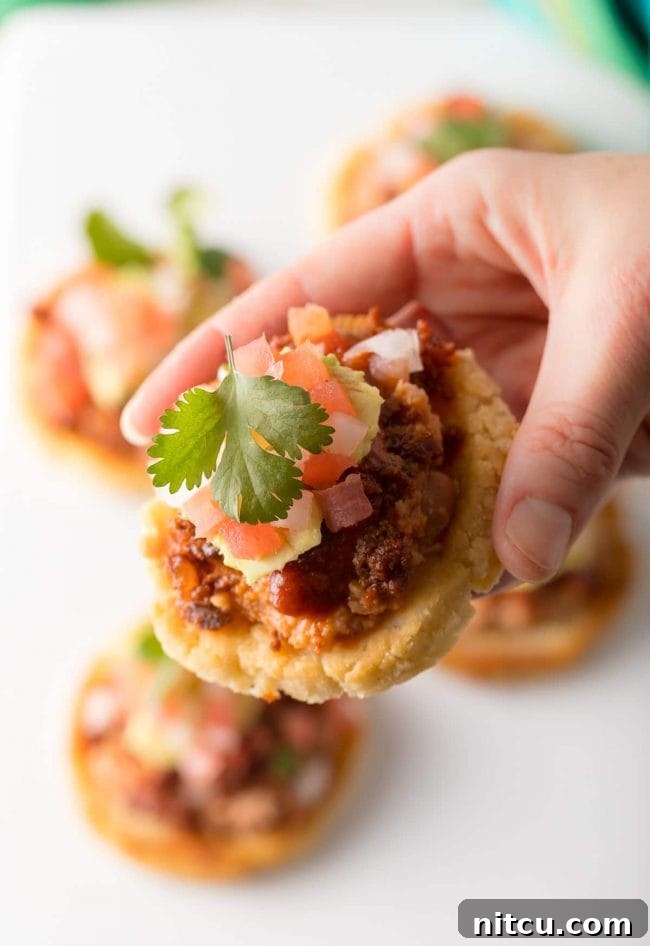
At their core, Sopes are savory, thick corn cakes that originated in central Mexico, a region renowned for its vibrant culinary heritage. From their humble beginnings, these delightful masa creations rapidly gained popularity, spreading throughout the entire country. Today, you’ll find them in various sizes and under an assortment of regional names, each reflecting local traditions and flavors.
Crafted from masa (a traditional corn dough), Sopes are typically formed into small, round disks, roughly 1/3 to 1/2 inch thick. Their magic lies in their texture: when properly prepared, they boast an irresistibly crispy exterior that gives way to a wonderfully soft and tender interior. This delightful contrast is what makes Sopes so addictive and distinct from their thinner tortilla cousins.
Flavor-wise, Sopes share a comforting, earthy corn taste, often likened to the masa coating found on tamales. However, the frying process elevates this flavor profile significantly. A quick sizzle in hot oil imbues them with a richer, more profound corn essence, along with a delicate saltiness and that dazzling, sought-after crispy texture that makes them an unparalleled base for a myriad of toppings. They are not merely food; they are an experience, a delightful bite-sized journey through Mexican culture.
Essential Sopes Ingredients
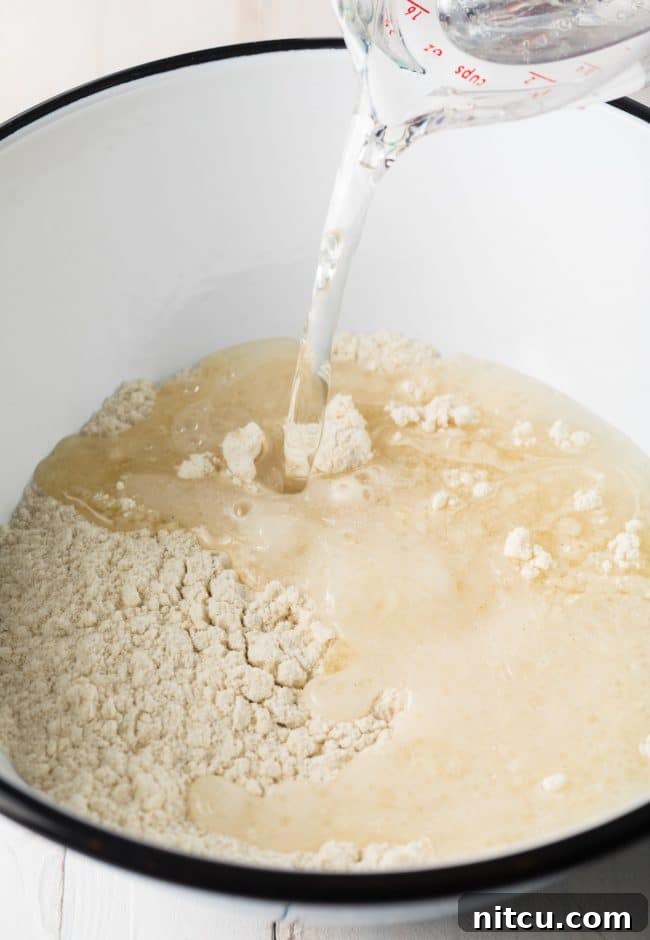
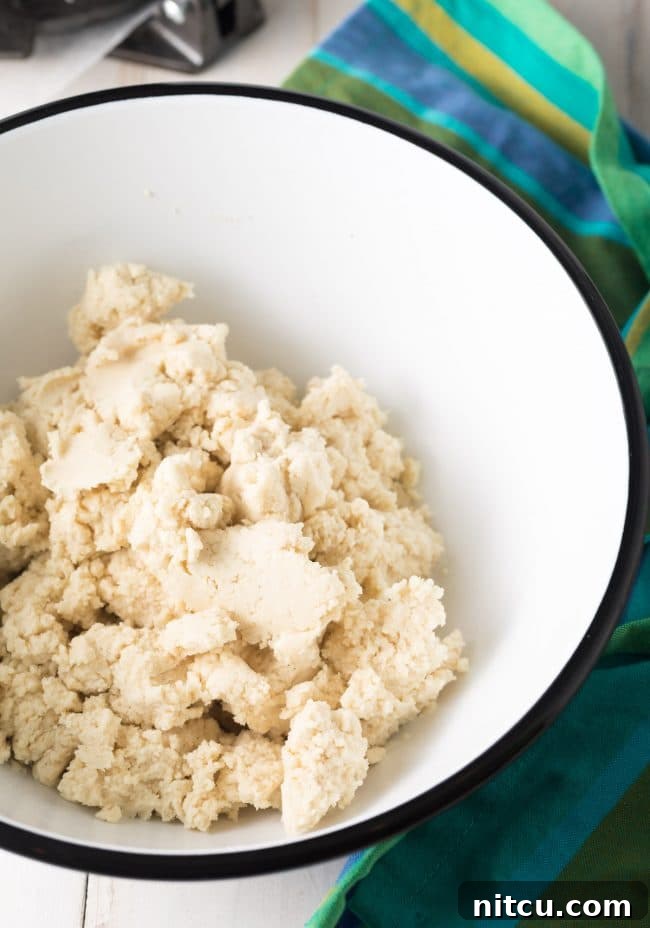
While Sopes can technically be prepared with just masa harina and water, adding a few key ingredients elevates them from good to truly exceptional. These additions are what contribute to the perfect texture and flavor, ensuring that “wow factor” you’re looking for in an authentic Mexican dish. Here’s what you’ll need for the most flavorful homemade Sopes:
- Masa Harina: This finely ground corn flour is the undisputed star of the show. It’s nixtamalized corn flour, which means the corn has been cooked and soaked in an alkaline solution (usually limewater), then ground. This process makes the corn more nutritious and gives it a distinct flavor and dough-like consistency that’s crucial for Sopes and tortillas. Do not substitute with regular cornmeal or corn flour!
- Salt: A fundamental flavor enhancer. Salt doesn’t just make the Sopes taste “salty”; it brightens all the other flavors, making the inherent corn taste more prominent and delicious.
- Baking Powder: While not always found in the most rustic Sopes, a touch of baking powder helps to create a slightly lighter, more tender interior texture, providing a subtle lift without making them cakey.
- Water: The binder that brings everything together, transforming the dry masa harina into a pliable dough. The amount can vary slightly depending on humidity and masa brand, so you’ll adjust it until the dough feels like playdough.
- Lard (or Vegetable Shortening): This is the secret to rich flavor and an incredibly tender crumb. Lard, rendered pork fat, offers an unparalleled depth of flavor and contributes significantly to the Sopes’ soft interior. For those preferring a vegetarian or vegan option, high-quality vegetable shortening is an excellent substitute that will still yield a fantastic texture.
Each ingredient plays a vital role in crafting the perfect Sope, ensuring that every bite is a delightful combination of texture and taste.
Irresistible Mexican Sopes Toppings
The beauty of Sopes truly comes alive when you consider them as the ultimate platform for a vibrant array of toppings. Much like a culinary canvas, they invite creativity and personalization. You can opt for a beautifully simple approach, perhaps just a smear of warm refried beans and a dollop of zesty salsa. Or, for those looking to elevate their Sopes recipe to an extraordinary experience, you can layer on a multitude of exciting flavors and textures.
Today, we’re sharing a classic and deeply satisfying combination that is consistently a crowd-pleaser:
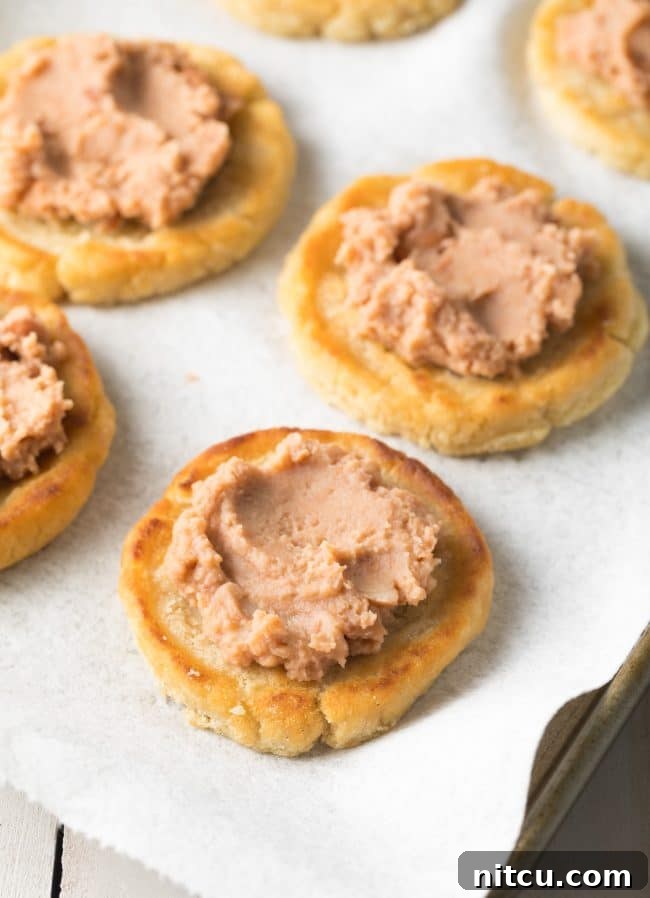
- Refried Beans: These serve as the foundational creamy, savory base, anchoring all the other flavors. Their hearty texture and rich flavor are quintessential.
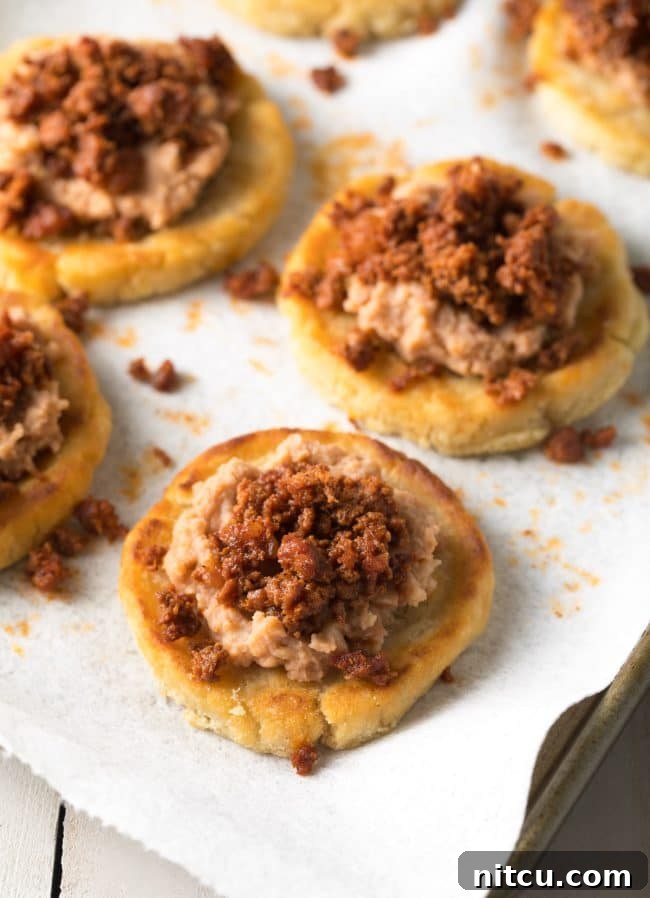
- Chorizo: Crumbled and perfectly cooked, this spicy, fatty pork sausage introduces an incredible burst of salty, savory goodness with a delightful kick, adding significant depth and richness.
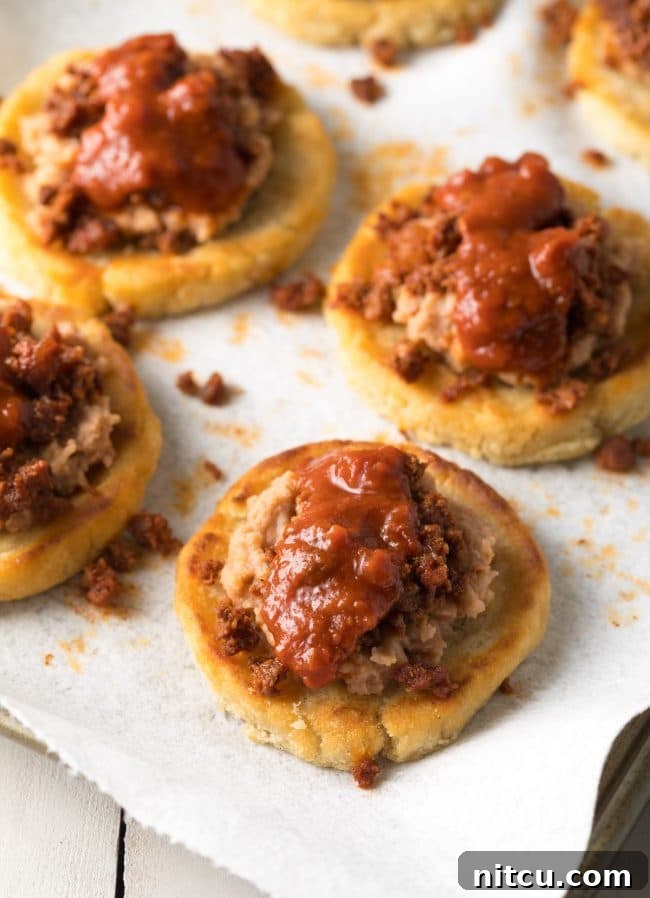
- Red Chili Sauce (Chipotle Salsa): A thick, pureed salsa, often smoky and spicy from chipotle peppers, it provides a crucial layer of heat and complex chili flavor that ties everything together.
- Pico de Gallo: For a refreshing and essential contrast, this fresh salsa made with diced tomatoes, onions, cilantro, and jalapeños offers a cool, bright, and tangy crunch.
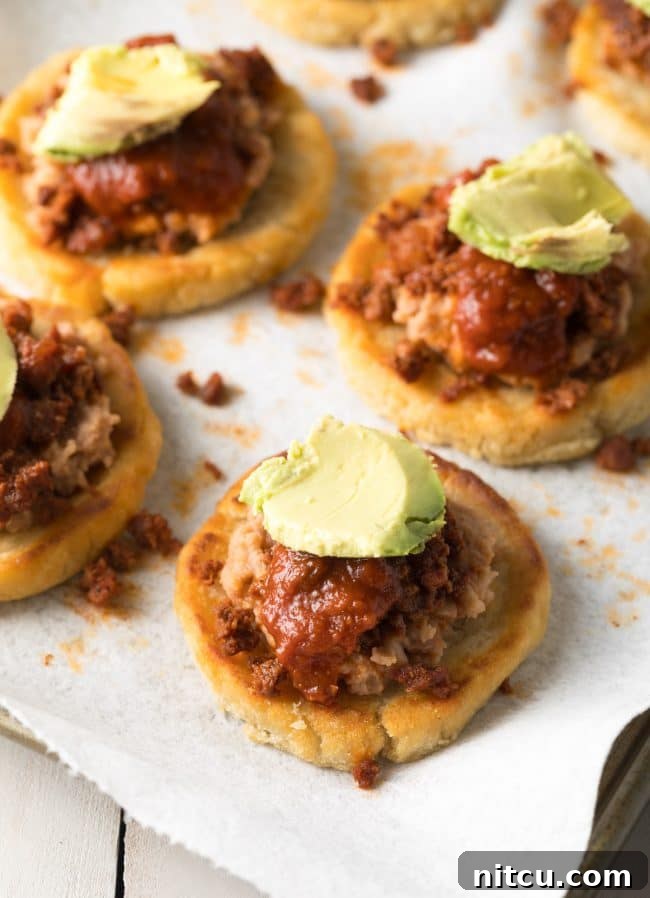
- Avocado: Sliced or diced, ripe avocado adds a touch of luxurious creaminess and a subtle, rich flavor, making each bite feel truly decadent.
Don’t stop there! The possibilities are virtually endless. Consider these additional delicious options to customize your Sopes:
- Cheese: Crumbled Queso Fresco for a mild, salty crumble, or shredded Monterey Jack for a melting, gooey indulgence.
- Mexican Crema (or Sour Cream): A dollop of cool, tangy crema provides a lovely counterpoint to spicier toppings and adds a rich, smooth finish.
- Diced Onion: Finely diced white onion offers a sharp, fresh bite that complements many savory fillings.
- Salsa Verde: For a tangy, bright, and often spicier alternative to red chili sauce, made with tomatillos.
- Shredded Lettuce or Cabbage: Adds a fresh, crisp texture and lightness.
- Grilled Chicken or Carnitas: For a heartier main dish, shredded grilled chicken or slow-cooked carnitas are fantastic additions.
- Black Beans: A great vegetarian option or an addition to refried beans for extra texture.
How to Make Mexican Sopes: A Step-by-Step Guide
Making homemade Sopes might seem intimidating at first, but I assure you, it’s incredibly simple and rewarding! With just a few straightforward steps, you can transform humble masa harina into tantalizing, carb-acious corn cakes in under an hour. Get ready to impress yourself and your guests!
- Prepare the Dough (Mix): Begin by combining the masa harina, salt, and baking powder in a large mixing bowl. Whisk them together to ensure an even distribution. Next, gradually stir in the water and the melted lard or vegetable shortening. Once the ingredients start to come together, use your hands to mix and knead the dough thoroughly. Continue kneading until the mixture is very smooth, pliable, and resembles the consistency of soft playdough – it should be firm enough to hold its shape but soft enough to press easily. If it feels too dry, add a tiny bit more water; if too sticky, add a sprinkle of masa harina.
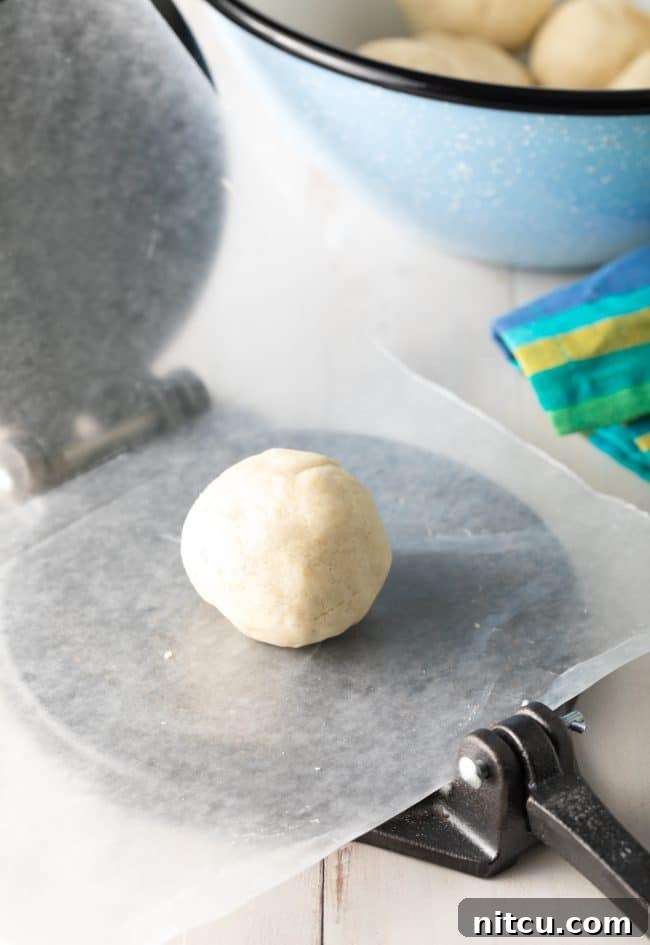
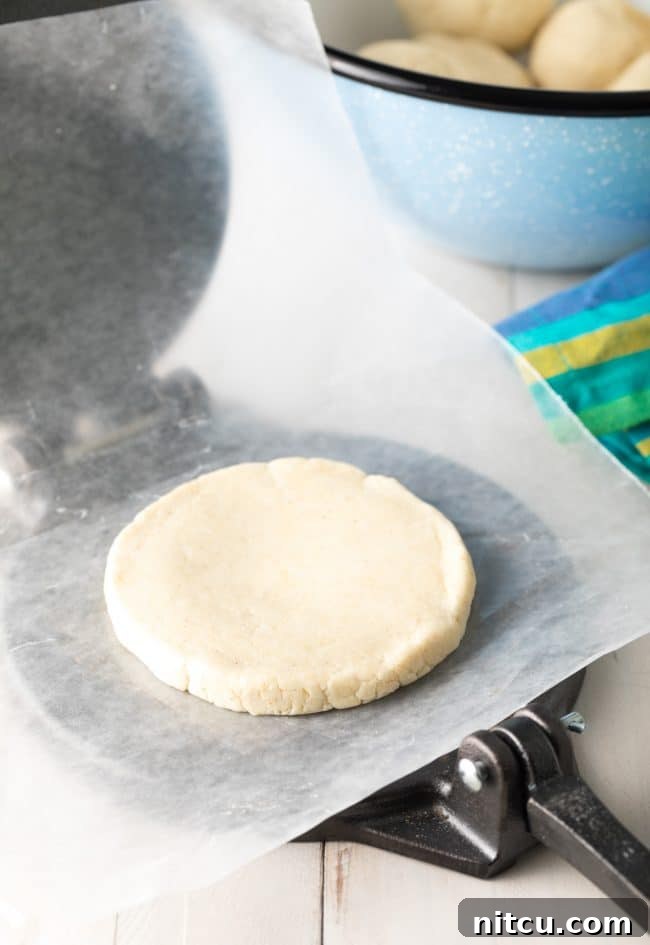
- Form the Sopes (Press): Once your dough is perfectly kneaded, divide it into 16 equal portions. Roll each portion into a smooth ball between your palms. To flatten these dough balls into uniform disks, approximately 1/3 to 1/2 inch thick, you have a few options: a traditional tortilla press is ideal, but a rolling pin works beautifully. If you don’t have either, get creative! The bottom of a wide drinking glass, a heavy plate, or even a cutting board can be used to press the dough balls between two pieces of plastic wrap until they reach the desired thickness.
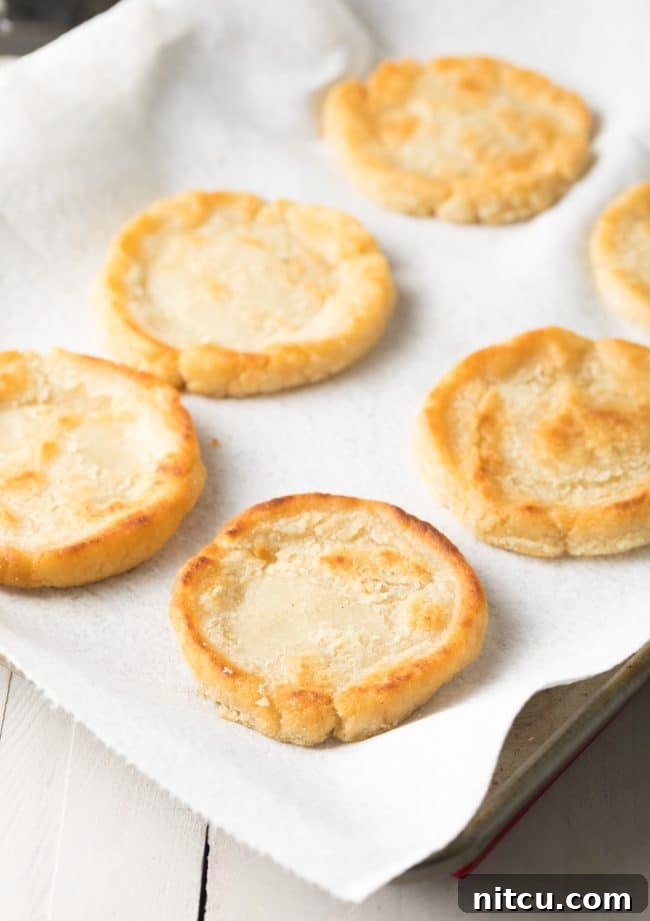
- Cook the Sopes (Fry): Heat a large cast-iron skillet or heavy-bottomed pan over medium-high heat. Add enough oil (or extra lard/shortening) to create a layer about 1/4 inch deep across the bottom of the pan. Allow the oil to heat thoroughly until it shimmers but isn’t smoking. Carefully place 5-7 sopes into the hot oil, ensuring not to overcrowd the pan. Fry them for about 2-3 minutes per side, or until they achieve a beautiful golden-brown color and a crispy exterior.
- Create the Rim (Indent): This is a crucial step for traditional Sopes! Once the sopes are cooked and still hot (this is key!), carefully transfer them to a paper towel-lined baking sheet to absorb any excess oil. Immediately, using the back of a tablespoon or your fingertips, gently press a circular indention around the edges of each Sope. This creates a raised rim, perfect for cradling your delicious fillings. While some cooks prefer to press the rim before cooking, I find they cook more evenly and are easier to shape if you do it immediately after frying while they are still warm and pliable. Place the finished sopes on a clean baking sheet and keep them warm in a 200°F (95°C) oven while you cook the remaining batches.
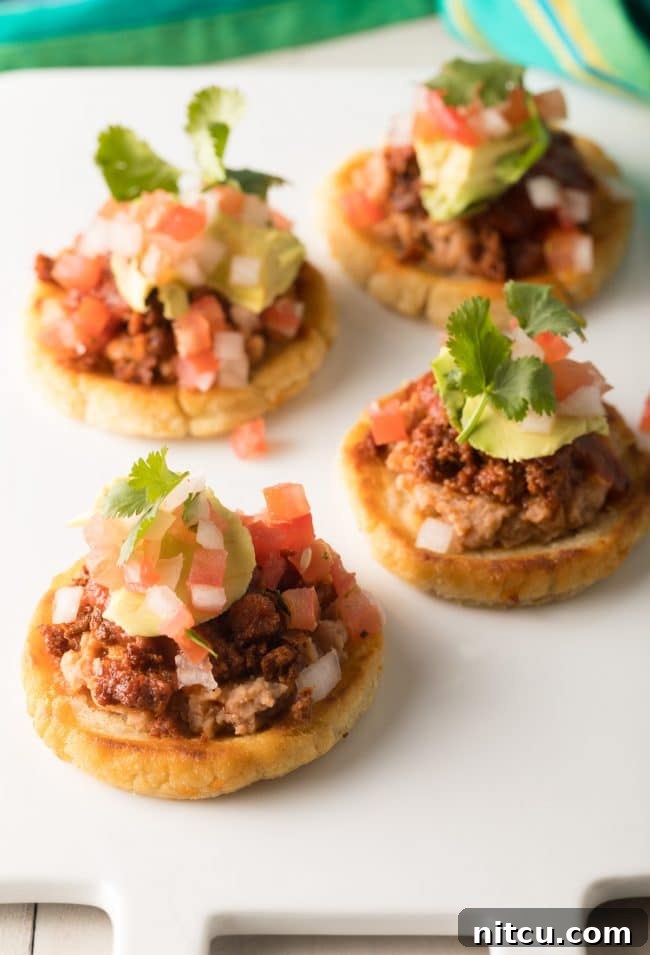
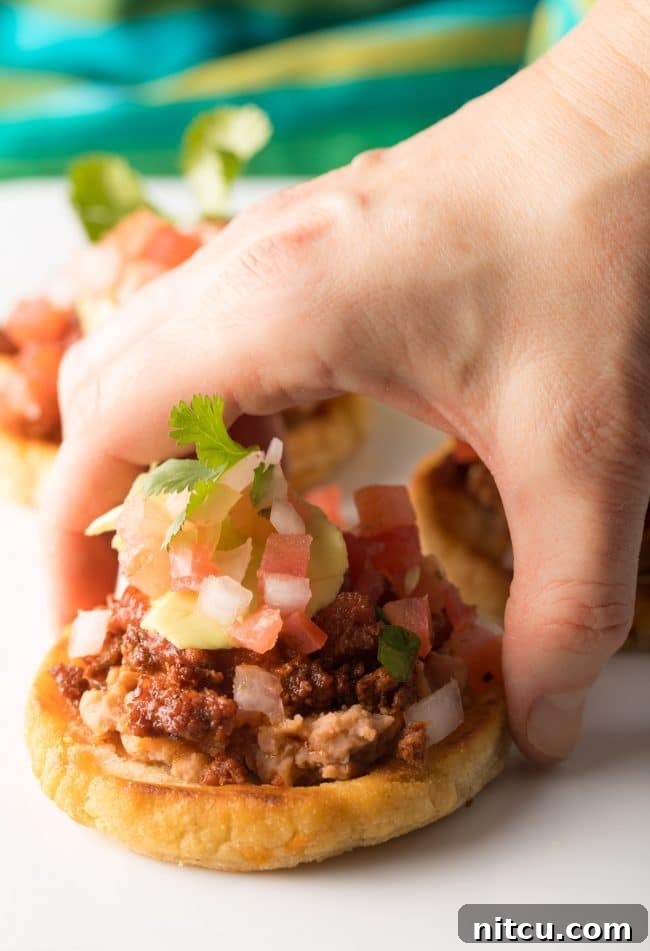
- Top and Serve (Fill): Once all your Sopes are cooked, rimmed, and kept warm, it’s time for the grand finale! Prepare all your chosen toppings. Then, generously sprinkle or dollop your desired fillings onto each Sope. A classic combination includes a hearty layer of refried beans, savory cooked chorizo, a drizzle of spicy red chili sauce, a spoonful of fresh pico de gallo, and a delicate slice of creamy avocado. Serve your Sopes warm or at room temperature, allowing everyone to customize their culinary masterpiece.
Ready to get cooking? Scroll down for the complete, printable recipe card with exact measurements and detailed instructions. Enjoy creating these authentic Mexican Sopes!
Frequently Asked Questions about Sopes
What’s the Difference Between Sopes, Tortillas, and Tostadas?
While all three are delicious corn-based foundations in Mexican cuisine, their distinct characteristics set them apart. Tortillas are very thin, flexible disks of masa, primarily used for wrapping or scooping. Tostadas are essentially fried tortillas, making them thin and exceptionally crispy, designed to be piled high with toppings that are then eaten with a fork or carefully by hand. Sopes, on the other hand, are intentionally much thicker than both. This robust thickness not only makes them easier to shape from scratch without tearing but also provides a more substantial base, perfect for holding a generous amount of wet and heavy toppings without becoming soggy. Their unique rim also helps contain fillings, distinguishing them visually and functionally.
Is the Center Indention Necessary for Sopes?
Not strictly, but it’s a wonderful traditional touch! The distinctive rim around the edge of a Sope serves two main purposes: it’s a visual hallmark that makes them look authentic and helps to keep your delicious toppings neatly contained. If you’re short on time or prefer a simpler presentation, you can certainly skip this step. The Sopes will still taste fantastic; they just might be a little flatter and require a bit more careful eating to keep those savory ingredients from escaping.
Can I Bake Sopes Instead of Frying Them?
While you can technically bake almost any food that is typically fried, Sopes are truly at their best when pan-fried. Frying is what gives them their signature crispy exterior and rich flavor that is so characteristic of authentic Sopes. If you must bake them for dietary reasons, they will not achieve the same alluring crispiness. To get the closest texture when baking, preheat your oven to a high temperature, around 450°F (230°C). Pour a generous layer of oil onto a rimmed baking sheet and preheat the sheet in the oven until the oil is hot. Then, carefully add your Sopes and bake for 10-15 minutes, flipping them once halfway through to ensure even cooking and browning. They will be softer, more like thick, soft corn tortillas, but still delicious.
Can I Prepare Sopes in Advance?
Absolutely! Sopes are fantastic for meal prep. You have a couple of options: you can prepare the masa dough ahead of time and store it tightly wrapped in the refrigerator for up to 2-3 days. When you’re ready, simply roll and fry. Alternatively, you can fry all your Sopes shells completely, let them cool, and store them. When it’s time to serve, a quick reheat in a preheated oven (around 350°F or 175°C) will bring back their wonderful crispy texture, making them taste freshly made. This method is perfect for entertaining!
Can Cooked Sopes Be Frozen?
Yes, cooked Sopes freeze beautifully! To prevent freezer burn and maintain their quality, ensure they are completely cooled, then wrap them tightly in plastic wrap or aluminum foil, or place them in an airtight freezer-safe bag. They can be stored in the freezer for up to 2-3 months. When you’re ready to enjoy them, thaw the Sopes at room temperature for an hour or two, then reheat them in a moderate oven (around 375°F or 190°C) until warmed through and crispy again. Avoid microwaving, as it will make them soft and chewy.
How Do I Store Leftover Sopes?
For best results and to prevent sogginess, it’s always recommended to store Sope shells and their fillings separately. Once the cooked Sopes shells have completely cooled, place them in an airtight container or a resealable bag. They will keep fresh in the refrigerator for up to a week. Store any leftover prepared toppings in separate airtight containers. Reheat the shells in a dry skillet or oven to regain crispness, then assemble with warmed fillings.
Are Sopes Gluten-Free?
Yes, the Sopes themselves, being made from masa harina (corn flour), are naturally gluten-free. This makes them an excellent option for those with gluten sensitivities or celiac disease. However, it’s crucial to ensure that all your chosen toppings are also gluten-free. Always double-check the ingredient labels on products like chorizo, refried beans, and salsas, as some processed foods can contain hidden gluten. By being mindful of your toppings, you can enjoy these delicious corn cakes with confidence.
Can I Make Vegetarian or Vegan Sopes?
Absolutely! Sopes are highly adaptable to both vegetarian and vegan diets with just a few simple adjustments. For the Sope dough, simply substitute vegetable shortening for lard to make them vegan-friendly. When it comes to toppings, the possibilities for plant-based deliciousness are endless. Opt for vegetarian refried beans (often made with vegetable oil instead of lard), load up on fresh pico de gallo, guacamole, salsa verde, and sautéed vegetables like mushrooms, bell peppers, or zucchini. Black beans, corn salad, and plant-based crumbles can also make fantastic and hearty vegan fillings, ensuring everyone can enjoy these delightful Mexican treats.
More Mexican Recipe Favorites
If you love the authentic flavors of Mexico as much as we do, be sure to explore some of our other cherished recipes that bring the vibrant tastes of this incredible cuisine right to your kitchen:
- Instant Pot Carnitas
- Tostadas de Tinga
- Chori Pollo
- New Mexico Chile Verde
- Grilled Mexican Street Corn (Esquites)
- Quick Carne Asada
- Homemade Paletas (Mexican Ice Pops)
- Mexican Cookies (Biscochitos)
- Suizas Enchiladas
- Roasted Vegetable Tostadas
Mexican Sopes Recipe

Summary: This easy Authentic Sopes Recipe makes the most amazing Sopes. Crispy on the outside, soft in the middle, and perfect for toppings!
Prep Time: 15 minutes
Cook Time: 15 minutes
Total Time: 30 minutes
Servings: 16 Sopes
Ingredients
For the Sopes:
- 2 cups masa harina
- 1 1/4 teaspoon salt
- 1 teaspoon baking powder
- 1 1/2 cups water
- 1/3 cup lard or vegetable shortening, melted
- Oil for frying (or additional lard/shortening)
For the Toppings:
- 15 ounce canned refried beans
- 16 ounce Mexican chorizo, cooked and crumbled
- 1/2 cup canned chipotle salsa (red chili sauce)
- 1 cup pico de gallo
- 1 avocado, sliced or diced
Instructions
- Preheat your oven to 200 degrees F. In a large mixing bowl, thoroughly combine the masa harina, salt, and baking powder. Gradually stir in the water and the melted lard or vegetable shortening. Once the mixture is mostly combined, use your hands to knead the dough until it is very smooth, firm, and has a consistency similar to playdough.
- Divide the prepared dough into 16 equal portions. Roll each portion into a neat ball.
- Set a large cast-iron skillet or heavy-bottomed pan over medium-high heat. Add enough oil (or additional lard/shortening) to create a layer approximately 1/4 inch deep across the bottom of the pan.
- While the oil is heating, use a tortilla press (lined with plastic wrap or a cut-open Ziploc bag) or a rolling pin to flatten each dough ball into a disk, roughly 1/3 to 1/2 inch thick.
- Once the oil is hot and shimmering, carefully place 5-7 Sopes into the skillet without overcrowding. Cook for 2-3 minutes per side, until they turn golden brown and develop a crisp exterior.
- Immediately transfer the cooked Sopes to a paper towel-lined baking sheet to absorb excess oil. While still hot, use the edge of a tablespoon or your fingertips to press a circular indention around the edges of each Sope, creating a raised rim. Place the baking sheet with the rimmed Sopes into the preheated oven to keep them warm.
- Add more oil to the skillet if necessary and repeat the frying process with the remaining Sopes in 1-2 more batches. Remember to press the indentations while the Sopes are still hot.
- Once all the Sopes are cooked and rimmed, prepare your desired toppings as listed above or as per your preference.
- To serve, top each warm Sope with a generous dollop of refried beans, a tablespoon of cooked chorizo, a drizzle of thick chili sauce, a spoonful of fresh pico de gallo, and a slice or dice of creamy avocado. Serve immediately and enjoy warm or at room temperature.
Notes
- This recipe is naturally Gluten-Free as long as the brands of chorizo and refried beans you choose are also gluten-free. Always check package labels if you have a sensitivity to gluten.
- Vegan Sopes? Yes, you can easily make a vegan version. Substitute vegetable shortening for lard in the dough, ensure you use vegetarian refried beans (check ingredients for lard), and skip the chorizo. Plenty of plant-based toppings can be used instead!
- More Sope Toppings Ideas: Feel free to experiment! Consider adding shredded lettuce, chopped fresh cilantro, a dollop of sour cream or Mexican crema, succulent carnitas, crumbled queso fresco, tender grilled chicken, seasoned taco meat, vibrant salsa verde, creamy guacamole, or hearty black beans.
Nutrition Information
Serving Size: 1 Sope
Calories: 272 kcal
Carbohydrates: 19 g
Protein: 9 g
Fat: 17 g
Saturated Fat: 5 g
Cholesterol: 24 mg
Sodium: 901 mg
Potassium: 268 mg
Fiber: 3 g
Sugar: 2 g
Vitamin A: 210 IU
Vitamin C: 3.5 mg
Calcium: 45 mg
Iron: 1.9 mg
Recipe Details
Course: Appetizer, Snack
Cuisine: Mexican
Author: Sommer Collier