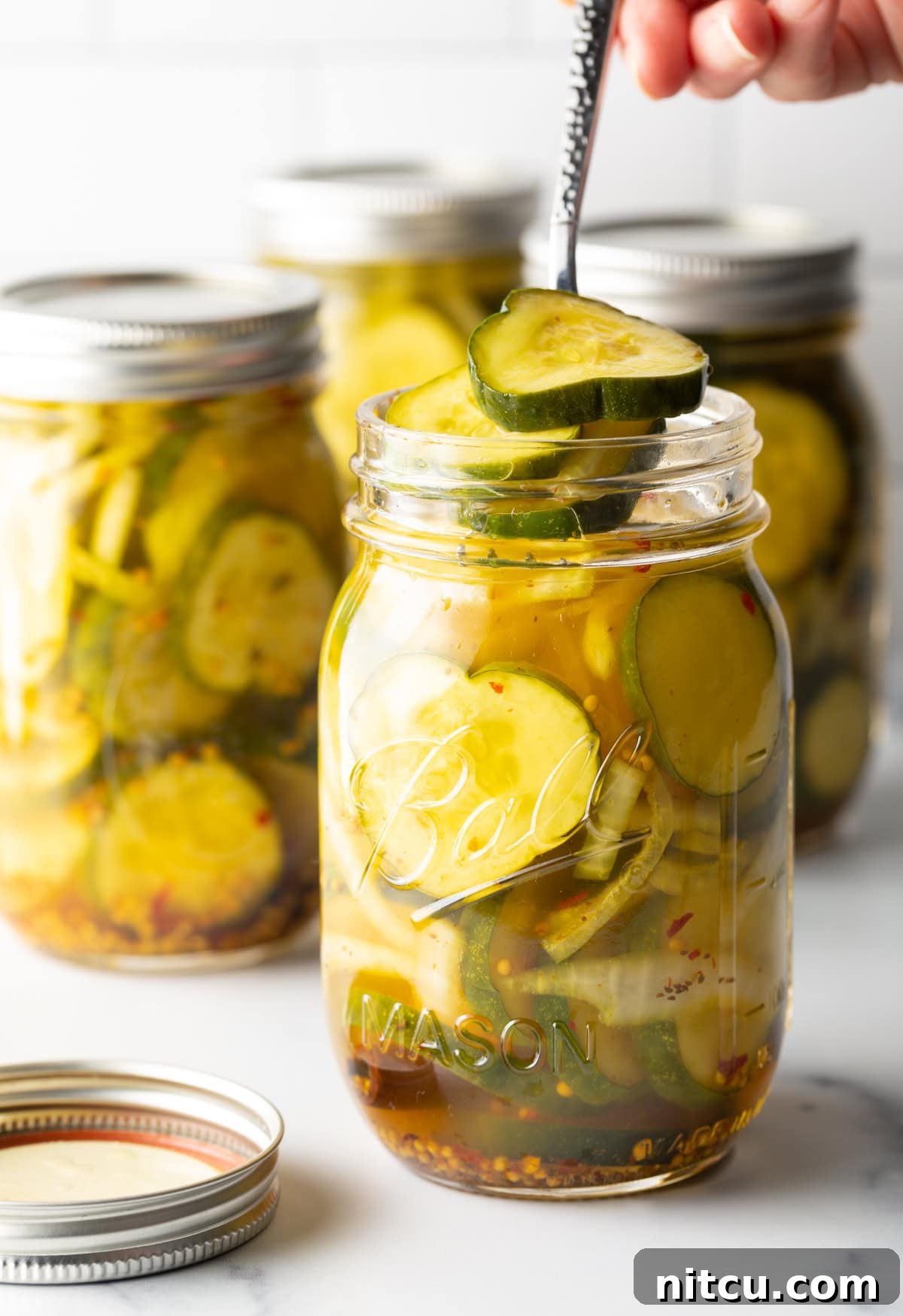
Homemade Bread and Butter Pickles: Tangy, Sweet & Crispy Perfection
Unlock the secret to incredibly easy Homemade Bread and Butter Pickles! This versatile recipe allows you to create sensational sweet pickles either as quick refrigerator delights or through a traditional canning method. Prepare to savor the perfect balance of tangy, sweet, and subtly spicy flavors, all wrapped up in an irresistible, satisfying crunch right from your kitchen. It’s time to elevate your homemade pickle game!
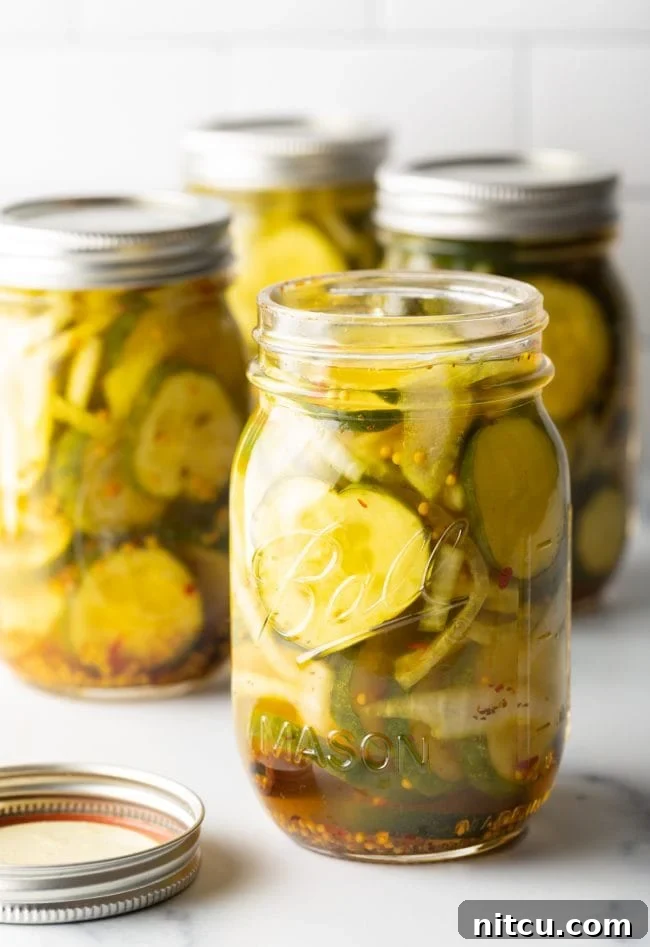

A Note from the Kitchen: Crafting Your Perfect Pickles
There’s a special joy and profound satisfaction in making pickles from scratch, transforming fresh, crisp cucumbers into something truly extraordinary. We’ve previously celebrated the bright, slightly sour essence of our Best Homemade Refrigerator Dill Pickles, a recipe beloved for its fresh dill aroma and invigorating taste that brings a burst of garden-fresh flavor to any meal. While classic dill pickles hold a cherished place in our hearts and kitchens, we recognized an undeniable craving for another beloved Southern favorite: the quintessential sweet pickle. This comprehensive guide leads you through creating them right in your own kitchen, effortlessly, allowing you to control the ingredients and achieve unparalleled taste and texture.
Why You’ll Fall in Love with This Bread and Butter Pickles Recipe
This recipe isn’t just about preserving cucumbers; it’s about discovering a new staple for your pantry and palate, a versatile condiment that elevates everyday meals. Here’s why these perfectly perky bread and butter pickles are destined to become your next culinary obsession and a constant request from family and friends:
- Unbeatably Versatile and Delicious: Forget bland, mass-produced store-bought jars that lack character. These homemade sweet pickles are an absolute delight, bursting with vibrant flavor. They’re fantastic for snacking straight out of the jar, offering an addictive burst of sweet and tangy goodness that satisfies any craving. But their utility extends far beyond that – they’re the ideal topping for juicy grilled burgers, a vibrant, crunchy addition to any sandwich (from simple deli creations to elaborate gourmet concoctions), and an excellent way to introduce bold flavor and a snappy texture to almost any meal. Imagine them finely chopped into potato salad, served alongside rich barbecue, or as a bright counterpoint to hearty, savory dishes. Their unique profile cuts through richness and adds a refreshing element that brightens every bite.
- Effortlessly Customizable to Your Taste: One of the greatest advantages of making your own pickles is the freedom to tailor them exactly to your preferences, ensuring every batch is perfectly suited to your palate. Whether you prefer a mild whisper of heat that tickles the tongue or a bold, fiery kick that awakens the senses, adjusting the spice level is incredibly simple. A few minor tweaks to the ingredients list can add extra oomph, allowing you to experiment with different aromatics and spices to create your unique signature sweet pickle. Want a hint of warmth? Add more cinnamon. Crave an earthy depth? Increase the garlic. The possibilities are endless, making this recipe a truly dynamic kitchen adventure.
- Flexible Methods: Refrigerate or Can for Lasting Enjoyment: This recipe offers remarkable flexibility, catering to both immediate gratification and long-term preservation, making it accessible for every skill level. Because the pickling liquid is brought to a rolling boil before being poured over the cucumbers in the jars, you have two excellent, safe options. You can either opt for a quick and easy refrigerator pickles method, which requires minimal specialized equipment and yields delicious, crisp pickles ready to enjoy within days. Alternatively, you can embrace the time-honored tradition of water bath canning, a method that ensures shelf-stable pickles that can last for months, if not years, making it perfect for preserving a bountiful harvest. This dual approach means you can always have homemade goodness on hand.
You truly won’t believe how straightforward it is to prepare the sweetest, snappiest sliced pickles you’ve ever tasted. All this deliciousness is achieved in just a few simple and satisfying steps, proving that homemade doesn’t have to mean complicated. This is more than just a recipe; it’s an invitation to a world of fresh, homemade flavor that will transform your kitchen and your meals.
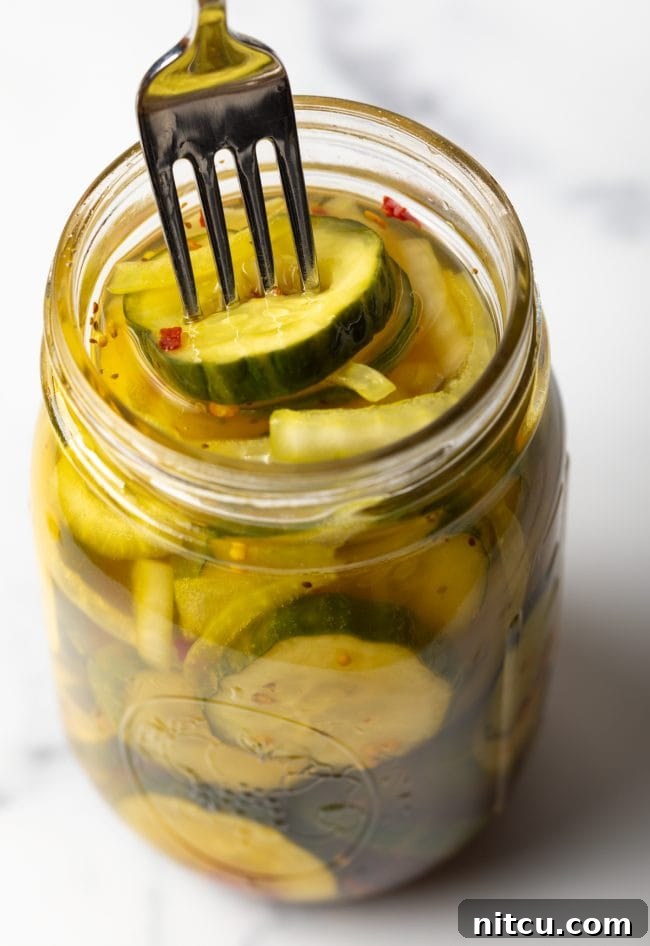
Essential Ingredients and Expert Tips for Perfect Bread and Butter Pickles
Crafting exceptional Bread and Butter Pickles starts with selecting the right ingredients. Each component plays a vital role in achieving that signature sweet, tangy, and crunchy profile that makes these pickles so irresistible. Here’s a detailed breakdown of what you’ll need and some valuable tips for ensuring your batch is nothing short of perfection:
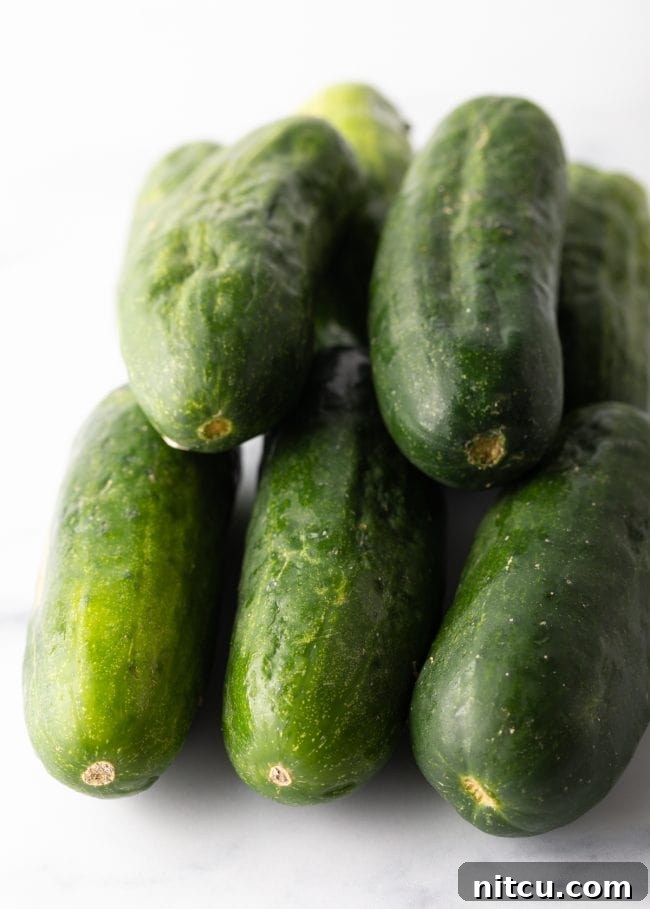
- Pickling Cucumbers: The Foundation of Crunch: The quality of your cucumbers is paramount for any great pickle. For optimal results, always choose smaller cucumbers with thin skins and firm flesh. Varieties like Persian or English cucumbers are ideal because they naturally contain fewer seeds and have a crisp texture that holds up beautifully to the pickling process, resulting in that satisfying crunch everyone loves. Avoid larger, more mature slicing cucumbers, as they tend to be watery, have tougher skins, and can become soft and less flavorful after brining. Look for fresh, unblemished cucumbers that feel heavy for their size.
- Sweet Onion: The Aromatic Heart: A crucial element for the distinctive flavor of bread and butter pickles. Sweet and crisp Vidalia onions are hands-down my favorite, especially when they’re in season during the summer months, offering a mild, almost buttery sweetness. Their delicate flavor complements the tangy brine without overpowering it, adding a wonderful aromatic depth. If Vidalias aren’t available, any other sweet onion variety, such as Walla Walla or Maui onions, will work wonderfully to impart that subtle, delicate sweetness and fragrant aroma to your pickles.
- Classic Pickling Seasonings: The Flavor Symphony: The heart of the brine’s complex flavor profile relies on a timeless blend of well-chosen ingredients:
- Kosher Salt: Essential not only for drawing out excess moisture from the cucumbers (a process known as “sweating” or “brining”) but also for ensuring proper preservation. It’s preferred over iodized table salt, which can sometimes turn pickles cloudy or impart an off-flavor due to additives.
- Whole Mustard Seeds: These tiny powerhouses are non-negotiable for bread and butter pickles, providing a pungent, slightly spicy, and distinctly tangy note that is characteristic of this classic recipe. They release their flavor gradually, infusing the brine with their unique essence.
- Crushed Red Pepper Flakes: Just a touch adds that desired “smidge” of spiciness, providing a pleasant warmth that perfectly balances the sweetness of the brine without making the pickles overly hot. The amount is easily adjustable to suit your personal heat preference.
- Celery Seeds: Often overlooked, these tiny seeds are a quiet contributor, offering a subtle, earthy, and slightly bitter celery-like flavor that adds a complex and savory layer to the overall taste profile, rounding out the brine beautifully.
- Granulated Sugar: The Sweet Counterpoint: The “sweet” in sweet pickles comes primarily from simple white cane sugar. This ingredient is perfect here, providing the necessary sweetness to balance the assertive tartness of the vinegar and the savory spices. Beyond flavor, the sugar also contributes to the pickles’ desirable texture and helps to create that distinctive glossy appearance.
- Apple Cider Vinegar and White Vinegar: The Dynamic Duo of Tang: A thoughtful blend of both apple cider vinegar and white vinegar forms the perfect pickling brine. Using both creates a quality brine that delivers a delightfully tangy, well-rounded flavor without being overly sharp or aggressively acidic. Apple cider vinegar adds a fruity, mellow depth and a hint of rustic complexity, while white vinegar provides a clean, crisp tartness. Together, they create a perfectly harmonious and balanced brine that is the soul of these bread and butter pickles.
Exciting Recipe Variations to Personalize Your Bread and Butter Pickles
While the classic Bread and Butter Pickle recipe is a delightful experience on its own, one of its greatest strengths is its remarkable adaptability. Don’t be afraid to get creative and personalize your batch with these exciting and flavorful variations, making each jar uniquely yours:
- Tailor the Spice Level to Your Liking: The amount of crushed red pepper flakes is entirely at your discretion, allowing you to fine-tune the heat. For a milder pickle that offers just a hint of warmth, you can reduce the quantity, or omit it entirely if you prefer no heat. If you crave a more intense kick that truly awakens the palate, feel free to double or even triple the red pepper flakes. Beyond traditional flakes, you could also experiment with a few thinly sliced fresh jalapeños for a brighter, more immediate heat, or a tiny pinch of cayenne pepper for a different kind of warmth that permeates the brine.
- Explore Other Aromatic Enhancements: Infuse your pickles with even more intriguing and complex flavors by adding other aromatics directly to the pickling liquid.
- Whole Cinnamon Sticks: These impart a warm, subtly sweet, and wonderfully aromatic spice-y (but not hot) flavor that pairs exquisitely with the sweet and tangy brine. It conjures images of old-fashioned spiced fruit pickles and adds a comforting, seasonal dimension.
- Whole (Peeled) Garlic Cloves: For those who appreciate an earthier, savory depth, adding a few whole garlic cloves will give the pickles a robust flavor profile. This addition leans slightly towards the savory notes found in dill pickles, but without the distinctive dill herb. The garlic mellows beautifully as it pickles, offering a delicious and nuanced savory undertone.
- Other Aromatic Spices: Don’t limit yourself! Consider adding a few allspice berries, whole cloves, a bay leaf, or even a star anise pod to your jars for even more complex and intriguing flavor notes that can transform your pickles into something truly gourmet.
- Add a Pinch of Color with Turmeric: For that lovely, vibrant yellowish pickle color that often signifies traditional bread and butter pickles, I love to add a small amount of turmeric powder. Beyond its visually appealing hue, turmeric also contributes a very subtle, earthy, and slightly pungent note to the brine that harmonizes well with the other spices. However, if you prefer the natural color or simply don’t have turmeric on hand, you can certainly leave it out without significantly impacting the core flavor profile.
- Adjust the Quantity to Your Specific Needs: This recipe, as written, typically yields approximately 64 servings, filling four large pint jars. This generous quantity is perfect for those who want a plentiful supply on hand, are preparing for a gathering, or plan to share their delicious creations. However, if you’re new to pickling, have a smaller harvest of cucumbers, or simply want a more modest batch, it’s incredibly easy to adjust. Simply halve all the ingredients to make just two pints. Conversely, if you have an abundance of fresh cucumbers from your garden or a fantastic find at a farmer’s market, you can easily scale up the recipe to accommodate more.
Mastering the Art: How to Make Irresistible Bread and Butter Pickles at Home
Making your own bread and butter pickles is a deeply rewarding experience that yields delicious results far superior to anything store-bought. Follow these steps carefully to ensure a batch of perfectly crunchy, intensely flavorful, sweet, and tangy pickles every single time.
Preparing Your Cucumbers and Onions: The Essential First Step to Crispness
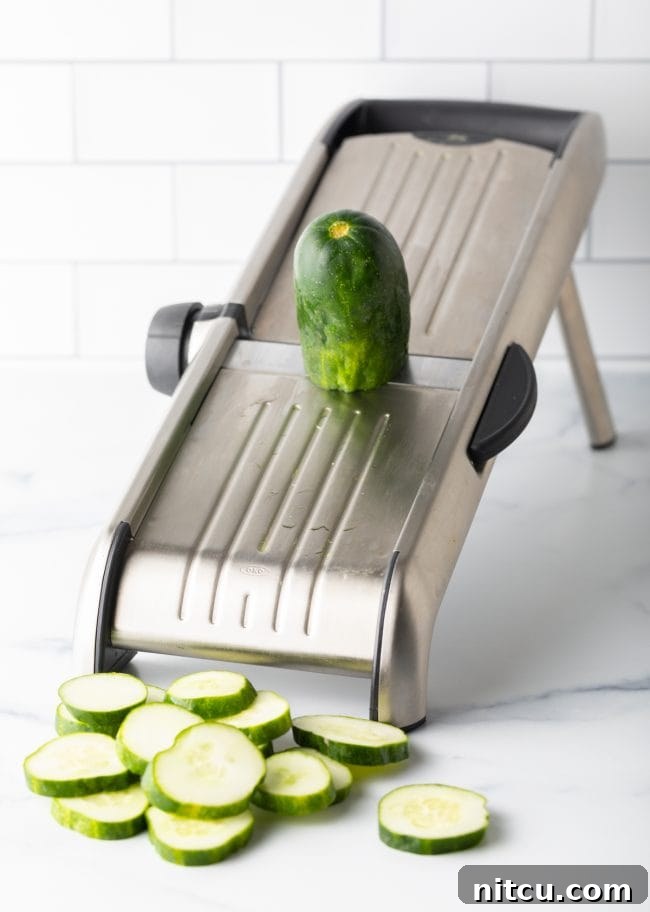
The journey to perfect pickles begins with proper and precise preparation of your vegetables. Start by thoroughly washing your chosen pickling cucumbers under cold running water, gently scrubbing away any dirt or debris. The key to achieving that desirable, uniform crisp texture is to slice them consistently. A mandolin slicer is an invaluable tool for this, as it allows you to achieve precise 1/8-inch rounds quickly and safely, ensuring even pickling. If you don’t have a mandolin, a sharp chef’s knife and a steady hand will work just as well, though it might require a bit more patience and practice to maintain uniformity. Once sliced, quarter and then thinly slice your sweet onion into short, manageable segments that will blend seamlessly with the cucumber rounds, providing a balanced flavor in every bite.
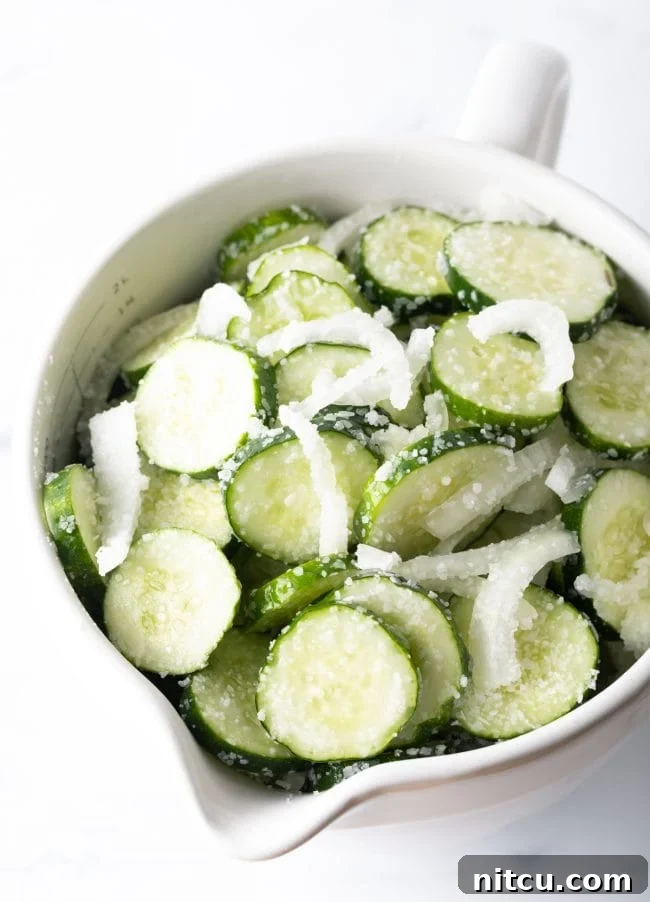
Next, combine the uniformly sliced cucumbers and onions in a large, non-reactive mixing bowl. Generously toss them with kosher salt, ensuring every piece is lightly coated. This crucial step, known as “sweating” or “brining,” serves a dual purpose: it helps to draw out excess water from the vegetables, which is vital for maintaining their crispness and preventing soggy pickles during the pickling process, and it also helps to pre-season them. Place the bowl in the refrigerator and let the mixture rest for 1 to 3 hours. During this time, you’ll observe a significant amount of liquid accumulating at the bottom of the bowl – this is exactly what you want, as it means the vegetables are releasing their moisture.
Setting Up Your Jars and Spices: Building the Flavor Base
While your cucumbers and onions are undergoing their salty rest, it’s the perfect opportunity to prepare your jars and gather your chosen spices. Gather four clean pint jars. If you plan on proceeding with traditional water bath canning, it is imperative to ensure your jars and lids are properly sterilized according to safe canning guidelines before use. Even for refrigerator pickles, clean jars are paramount for food safety and optimal storage, preventing any unwanted bacterial growth.
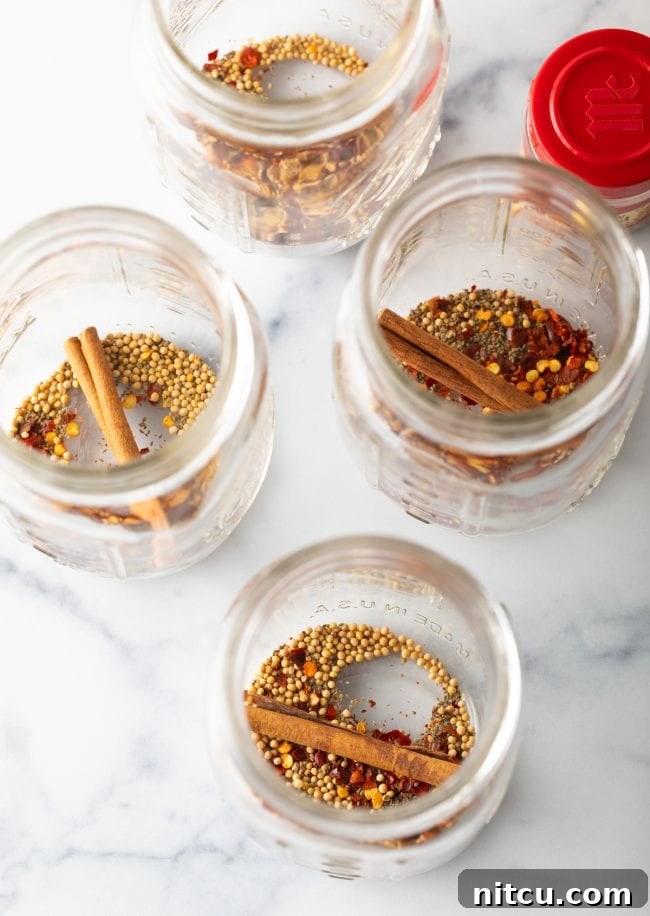
Into the bottom of each of the four prepared pint jars, divide your chosen spices evenly: whole mustard seeds, crushed red pepper flakes (remembering to adjust the quantity for your preferred spice level), celery seeds, and either the fragrant cinnamon sticks or the robust whole peeled garlic cloves, depending on the flavor variation you’ve chosen. These spices will gradually infuse the cucumbers with their aromatic flavors as they pickle, developing a complex and delicious profile.
Rinsing and Filling: Preparing for the Brine Infusion
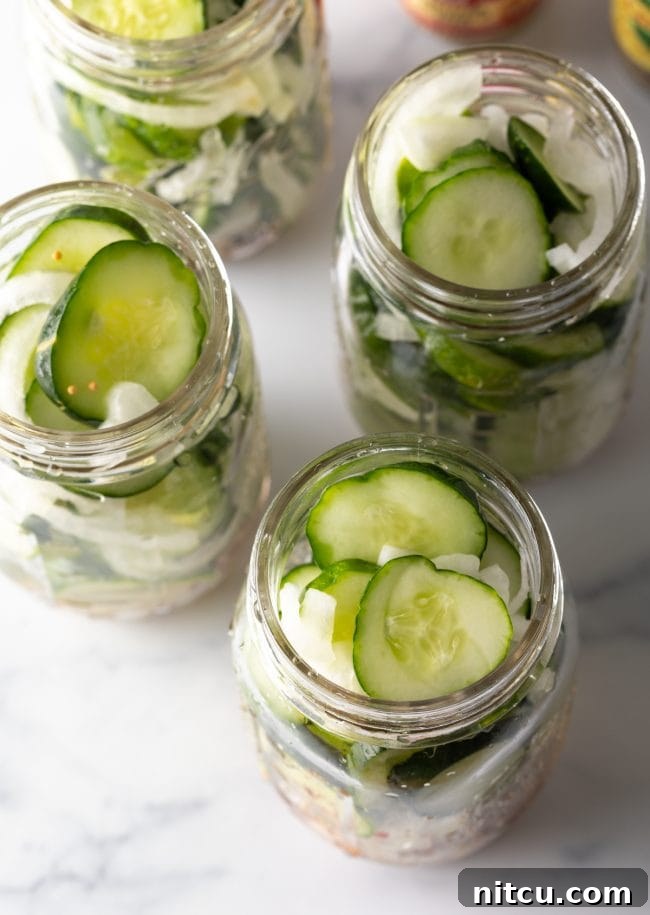
After their salty rest, the cucumber and onion slices will have released a considerable amount of liquid. It’s essential to thoroughly rinse them under cold water to remove any excess salt. This critical step prevents your pickles from becoming overly salty and ensures that the brine’s sweetness and tang can truly shine through, achieving that perfect bread and butter balance. After rinsing, gently drain the vegetables well, perhaps even patting them lightly with a clean kitchen towel to remove surface moisture. Now, carefully divide the crisp cucumber and onion slices among the four prepared jars, packing them relatively snugly without crushing them, ensuring there’s enough room for the pickling liquid to circulate.
Crafting the Perfect Pickling Brine: The Heart of the Flavor
In a small, non-reactive saucepot, combine the granulated sugar, apple cider vinegar, white vinegar, and a pinch of turmeric (if using, for that classic golden color). Place the saucepot over high heat and bring the mixture to a rolling boil, stirring occasionally with a whisk or spoon to ensure that the sugar fully dissolves. Boiling the brine is a critical step; it not only sterilizes the liquid but also helps to properly infuse the spices, creating a hot environment that is essential for effective pickling, whether you are making quick refrigerator pickles or proceeding with traditional canning methods.
Finishing and Sealing: The Final Touches Before the Wait
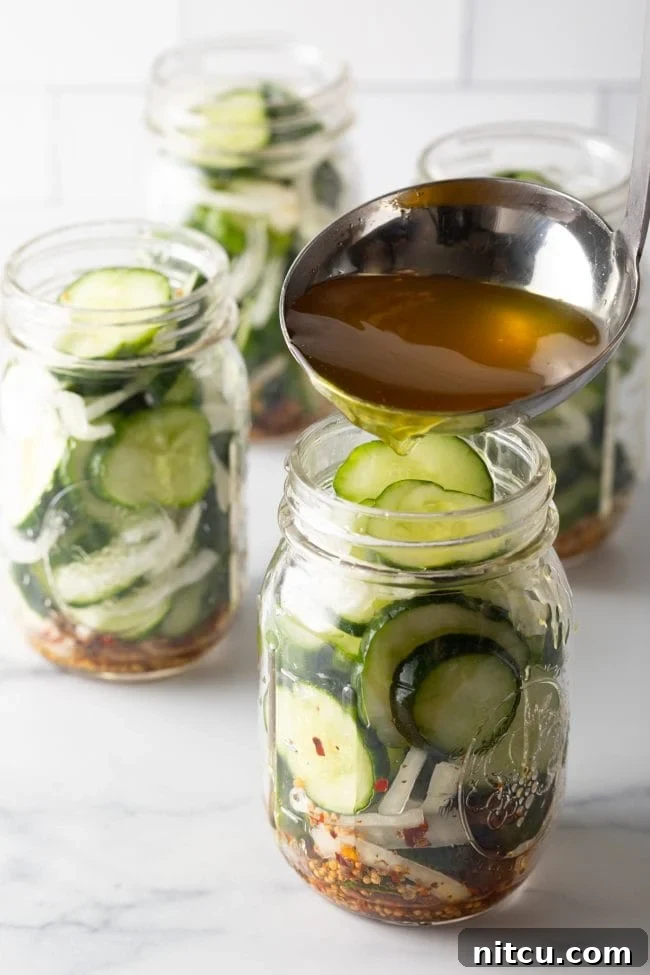
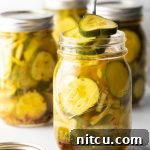
Once the pickling liquid is at a rolling boil, carefully and immediately ladle the hot brine into each of the prepared jars, ensuring it is divided evenly among the cucumbers and onions. It is crucial to ensure that all the vegetables are fully submerged in the liquid. If some cucumber slices are still poking out above the brine, add an extra tablespoon or two of hot water to each jar until everything is completely covered. Promptly screw the lids on tight, but avoid overtightening for canning purposes. Once sealed, give each pickle jar a gentle shake to help distribute the spices and ensure the brine fully penetrates all the ingredients, kickstarting the pickling process.
For a complete, step-by-step guide including detailed instructions, comprehensive storage tips, and a helpful video tutorial, please refer to the printable recipe card located at the very bottom of this post.
Crucial Resting Period: The Secret to Enhanced Flavor and Texture
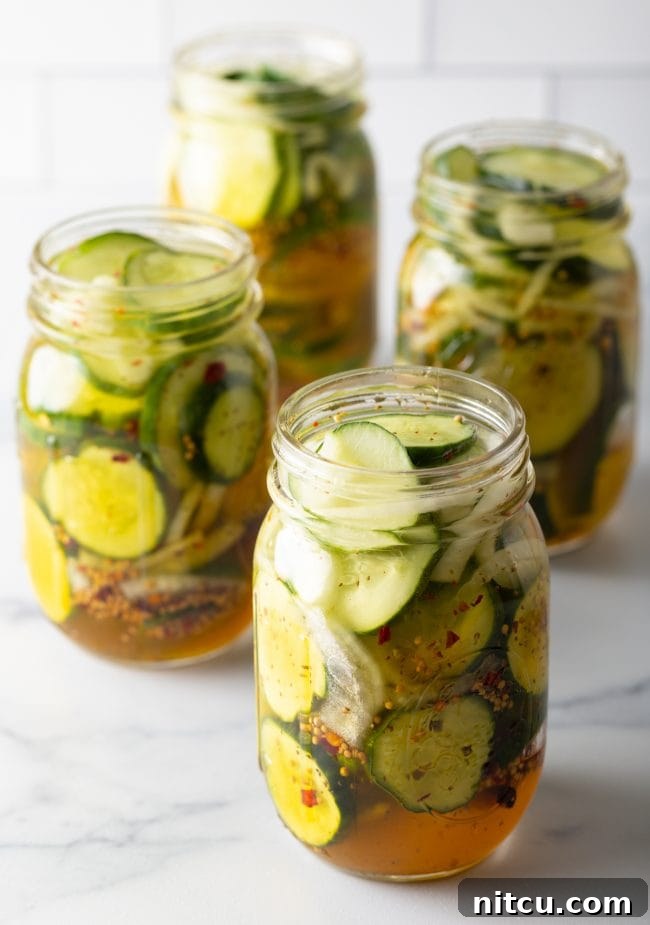
The work isn’t quite done yet! Patience is a virtue when it comes to pickling, as the pickles need adequate time to fully develop their robust flavor and ideal texture. If you are preparing these as refrigerator pickles, allow the sealed jars to sit at room temperature for approximately one hour. This allows for a gradual cooling process and ensures the flavors begin to meld and infuse properly before transferring them to the cold environment of your refrigerator. For those opting for traditional canning, you must proceed immediately with the proper water bath canning procedure at this point. This involves processing the sealed jars in boiling water for a specific duration to create a vacuum seal, which is crucial for ensuring long-term shelf stability and food safety. Always consult and diligently follow official, up-to-date canning guidelines from a trusted source for safe home preservation.
Regardless of your chosen preservation method, it is absolutely essential to let the pickles rest for at least 48 hours before sampling your delicious creation. While it’s incredibly tempting to dive in sooner, this crucial resting period allows the flavors to deepen, meld, and intensify, and the cucumbers to fully absorb the brine, resulting in a much more complex, balanced, and satisfying taste. In fact, the texture and flavor will continue to improve significantly over the next week, reaching their peak deliciousness and becoming even more irresistible. Good things come to those who wait!
Storing Your Homemade Pickles for Maximum Freshness and Shelf Life
Proper storage is absolutely key to enjoying your delicious homemade Bread and Butter Pickles for as long as possible. The method you chose for preparing and preserving them will directly determine their optimal shelf life and where they need to be kept to maintain their quality and safety.
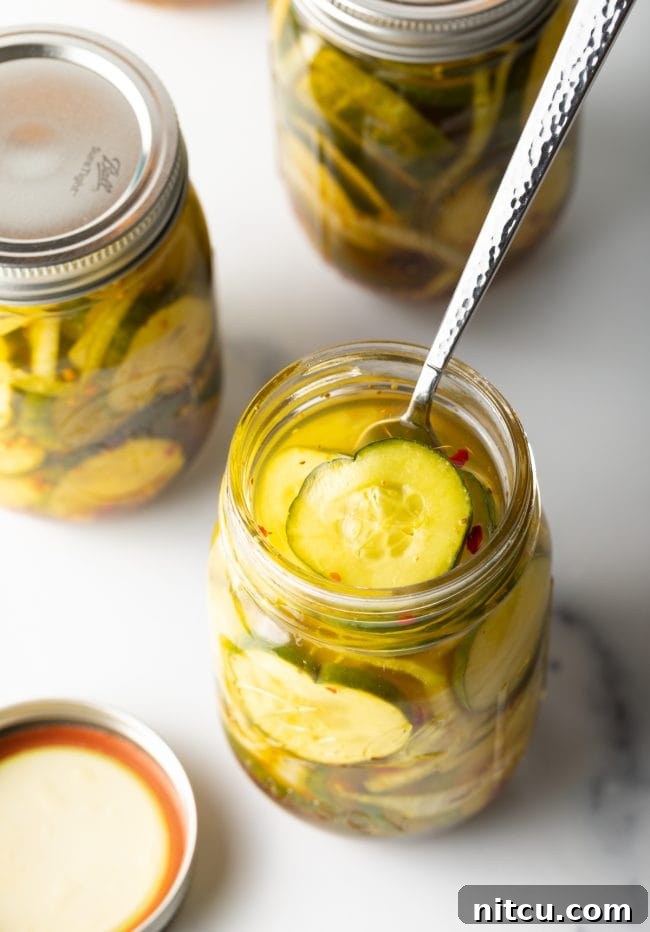
Refrigerator Pickles: If you opted for the quick and easy refrigerator method, your pickles will keep exceptionally well for about 2 months when stored consistently in the coldest part of your refrigerator. It’s important to note, however, that while their sweet and tangy flavor will remain wonderfully vibrant, refrigerator pickles do tend to gradually lose some of their signature crunchiness the longer they sit. For the best and most satisfying texture, aim to consume them within the first few weeks of making them, when they are at their peak crispness.
Canned Pickles: Pickles that have been preserved using the traditional water bath canning method offer a significantly longer shelf life and incredible convenience. When sealed properly according to official, tested canning guidelines, these shelf-stable pickles can last for an impressive 1-2 years at room temperature. Store them in a cool, dark pantry or cupboard, away from direct sunlight and temperature fluctuations, to maintain their quality. Once a jar of canned pickles has been opened, its vacuum seal is broken. At this point, it should be treated exactly like refrigerator pickles: stored in the fridge and consumed within a few weeks for the best taste and safety.
Regardless of the method, always ensure your jars are spotlessly clean and lids are tightly sealed to prevent spoilage and maintain optimal flavor and texture. Before consuming, always inspect your pickles. If you notice any signs of mold, unusual odors, bubbling, or a compromised seal (such as a lid that isn’t fully concave), discard the pickles immediately to ensure food safety.
Creative Serving Suggestions: Delicious Ways to Enjoy Your Bread and Butter Pickles
The versatility of homemade sweet pickles is truly remarkable. Beyond just being a delicious snack straight from the jar, they can elevate a wide array of dishes and add a burst of flavor and a refreshing crunch that’s simply unmatched. Here are some of our favorite and most creative ways to enjoy your freshly made Bread and Butter Pickles:
- A Delightful Snack or Appetizer:
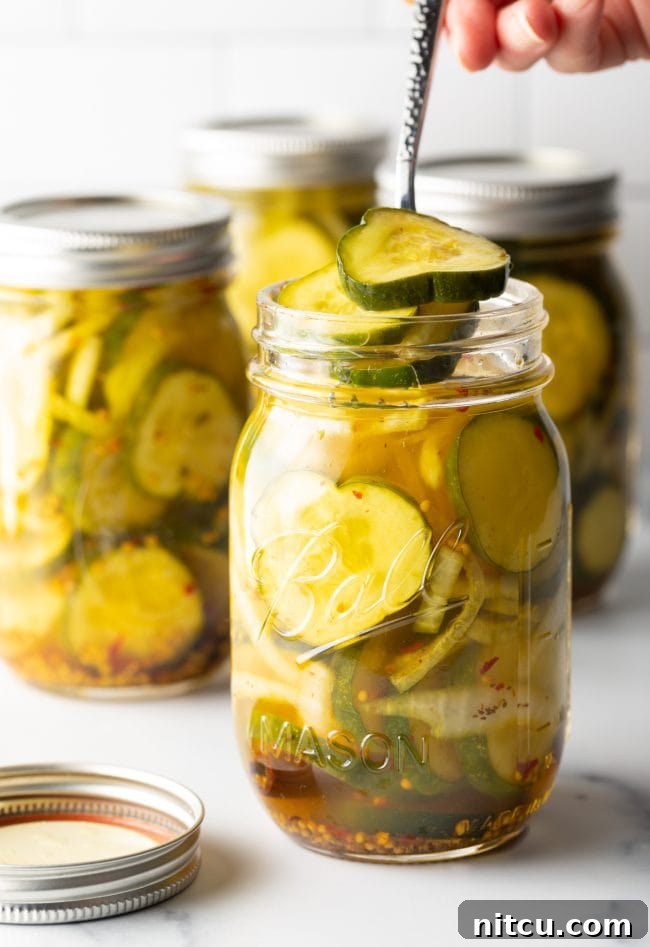
- Straight from the Jar: Let’s be honest, sometimes the simplest pleasure is the best! There’s absolutely no shame in enjoying these sweet, tangy, and crisp slices right out of the jar as an addictive, guilt-free snack.
- With Cheese: Their bright, sweet, and tangy profile makes them a fantastic partner for various cheeses. Pair them with sharp cheddar, creamy goat cheese, a mild Monterey Jack, or even a salty feta for a fantastic contrast of flavors and textures.
- Charcuterie or Antipasto Board: Their vibrant color and lively flavor make them a stellar addition to any sophisticated charcuterie or antipasto platter. They provide a much-needed acidic counterpoint that cuts through the richness of cured meats, pâtés, and cheeses, refreshing the palate between bites.
- The Perfect Condiment: Enhancing Your Favorite Meals:
- Alongside Southern Comfort Food: Serve them as a refreshing, zesty condiment on the side of rich, savory Southern dishes. They provide a much-needed tangy contrast to heavy, smoky flavors found in dishes like tender Smoked Brisket, fiery Nashville Hot Chicken, and decadent Smoked Pork Belly Burnt Ends.
- Burgers and Sandwiches: These pickles are a classic and absolutely essential topping for any juicy hamburger or crispy smash burger, adding a bright, zesty crunch with every bite. They are also indispensable for making authentic Cuban-pressed sandwiches, and go wonderfully with various sliders, or even our fabulous copycat Chick-Fil-A Hot Pepper Pimento Chicken Sandwich! Basically, if it’s between two slices of bread, a sweet pickle will likely make it infinitely better!
- With Hot Dogs and Sausages: No picnic or barbecue is complete without the tangy crunch of sweet pickles complementing grilled hot dogs, bratwurst, or any sausage.
- Incorporated into Other Recipes: A Secret Ingredient:
- Sweet Pickle Relish: Finely chop your homemade bread and butter pickles to create a vibrant, fresh sweet pickle relish. This is absolutely perfect for hot dogs, potato salads, egg salads, or to add a delicious zing to classic tuna salad.
- Sauces and Dressings: The unique sweet, tangy flavor and briny juice of these pickles can be a fantastic secret ingredient in many sauces and dressings. Use them (chopped) or their brine to enhance our Best Easy Remoulade Sauce, or to elevate your Homemade Tartar Sauce for fish and chips. The brine can even be incorporated into homemade salad dressings for a sweet and tangy kick that sets them apart.
Frequently Asked Questions About Bread and Butter Pickles
At their core, Bread and Butter Pickles are a beloved variety of sweet pickle. They are distinctly characterized by a harmonious blend of sweet, tangy, and savory flavors, often featuring a subtle “smidge” of spiciness (typically from crushed red pepper flakes) which is crucial for balancing the overall sweetness. The name is rich in history and folklore; it’s widely rumored to have originated during the Great Depression when families would eat humble pickle sandwiches on bread and butter as a cheap, filling meal. Another theory suggests the name derived from the sweet-and-sour brine recipe itself, made with a mixture of sugar and butter (or buttery spices), signifying their role as a simple, everyday staple and a testament to ingenuity.
The primary difference between these two popular pickle types lies fundamentally in their flavor profile and the key ingredients used in their brines. Bread and Butter Pickles are inherently sweet and tangy, with a distinctive blend of spices like mustard seeds, celery seeds, and often a touch of red pepper for a subtle kick. Crucially, they contain a significantly higher amount of sugar in their pickling brine compared to dill pickles. Dill pickles, on the other hand, are characterized by their sharp, sour, and distinctly herbaceous flavor, primarily derived from fresh dill, garlic, and often a higher vinegar-to-sugar ratio, sometimes with very little sugar at all. While both varieties aim for a satisfying crunch, their aromatic and taste experiences are quite unique – one sweet and subtly spicy, the other savory and herbaceous.
Sweet pickles can be a relatively wholesome addition to your diet when enjoyed in moderation! The primary ingredient, cucumbers, are naturally low in calories and provide some essential vitamins, minerals, and valuable hydration. However, it’s important to remember that the pickling brine for bread and butter pickles does utilize a substantial amount of both granulated sugar and salt. Therefore, while undeniably delicious and refreshing, they are typically higher in sodium and sugar content compared to their dill counterparts. Enjoy them as a flavorful condiment or a satisfying snack, always being mindful of portion sizes as part of a balanced and varied diet.
The main distinction between canning and refrigerating your Bread and Butter Pickles is their shelf life, storage requirements, and the preservation process involved. Pickles preserved using the traditional water bath canning method are processed at high temperatures to create a vacuum seal within the jar, making them shelf-stable. Unopened, properly canned pickles can safely last for up to 2 years at room temperature in a cool, dark pantry. This method is ideal for long-term storage and preparing large batches from a bountiful harvest. Conversely, refrigerator bread and butter pickles, while quicker and simpler to prepare, do not undergo the full preservation process required for shelf stability. They must be continuously kept in the refrigerator and should be consumed within approximately 2 months. Both methods yield wonderfully delicious results, but cater to different needs for storage duration and convenience of preparation.
Discover More Delightful Pickling Recipes
If you’ve enjoyed the satisfying process and delicious results of making these Bread and Butter Pickles, you’ll love exploring other exciting ways to preserve and flavor fresh vegetables and ingredients. Expand your pickling repertoire and discover new kitchen favorites with these fantastic related recipes:
For complete nutritional information, including detailed calorie counts, sodium content, and fiber percentages per serving, please refer to the comprehensive printable recipe card located at the bottom of this post.
Print Recipe
Leave a Review »
Bread and Butter Pickles Recipe
Video
Ingredients
- 2 pounds pickling cucumbers
- 1 cup sweet onion slices
- ¼ cup kosher salt
- 1 tablespoon whole mustard seeds
- 1 teaspoon crushed red pepper
- 1 teaspoon celery seeds
- 4 whole cinnamon sticks or 8 whole garlic cloves
- 2 cups granulated sugar
- 1 ¼ cup apple cider vinegar
- 1 ¼ cup white vinegar
- Pinch turmeric for color
Instructions
-
Set out a large mixing bowl and a mandolin slicer if you have one. Thoroughly wash your cucumbers. Slice the pickles into even 1/8 inch rounds. Then quarter and slice the sweet onion into short segments.
-
Place the cucumber slices and onions in the bowl, and generously toss with kosher salt. Place the bowl in the fridge to rest for 1-3 hours. This helps draw out excess moisture, ensuring crisp pickles.
-
Meanwhile, prepare four clean pint jars. Divide the whole mustard seeds, crushed red pepper (adjust to taste), celery seeds, and cinnamon sticks (or garlic cloves, if using) evenly among the four jars.
-
Once the cucumber slices have rested and released their juices, rinse them thoroughly in cold water to remove excess salt. Drain well. Then, divide the rinsed cucumber and onion slices between the four jars, packing them gently.
-
Set a small saucepot over high heat. Add the granulated sugar, apple cider vinegar, white vinegar, and turmeric (if using). Bring the mixture to a rolling boil, stirring until the sugar is fully dissolved.
-
Once boiling, carefully ladle the hot pickling liquid into the jars, ensuring it is divided evenly and completely covers all the cucumber slices and onions. If necessary, add a tablespoon or two of hot water to ensure full submersion. Screw the lids on tight and gently shake the pickle jars to distribute the spices.
-
If preparing as **refrigerator pickles**, let the jars sit at room temperature for one hour before moving them to the refrigerator. If planning to **can the pickles** for shelf-stable storage, it is crucial to follow proper water bath canning procedure immediately at this point.
-
Allow the pickles to rest for at least 48 hours before eating. This essential resting period allows the flavors to fully meld and deepen, and the texture will continue to improve significantly over the next week.