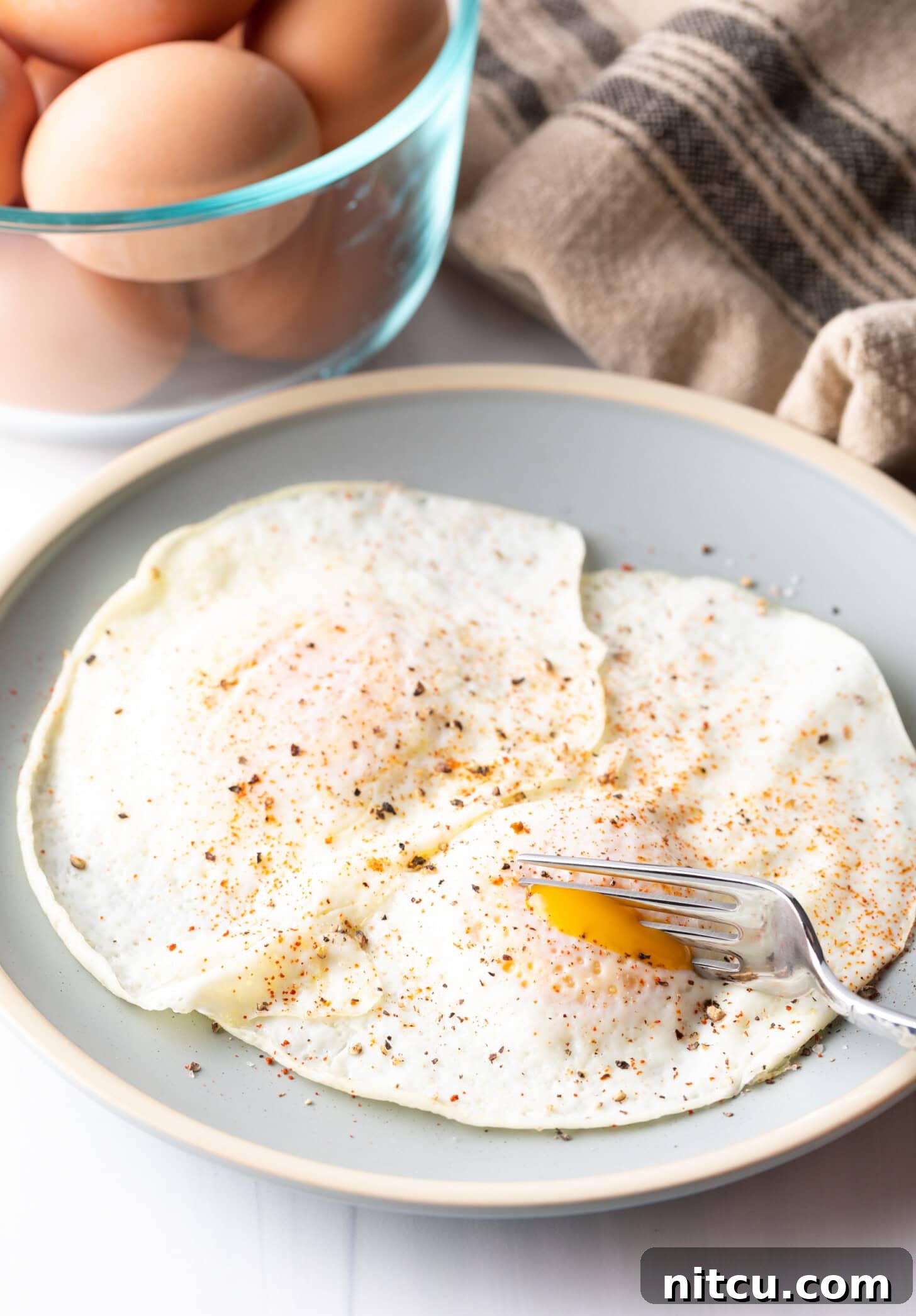
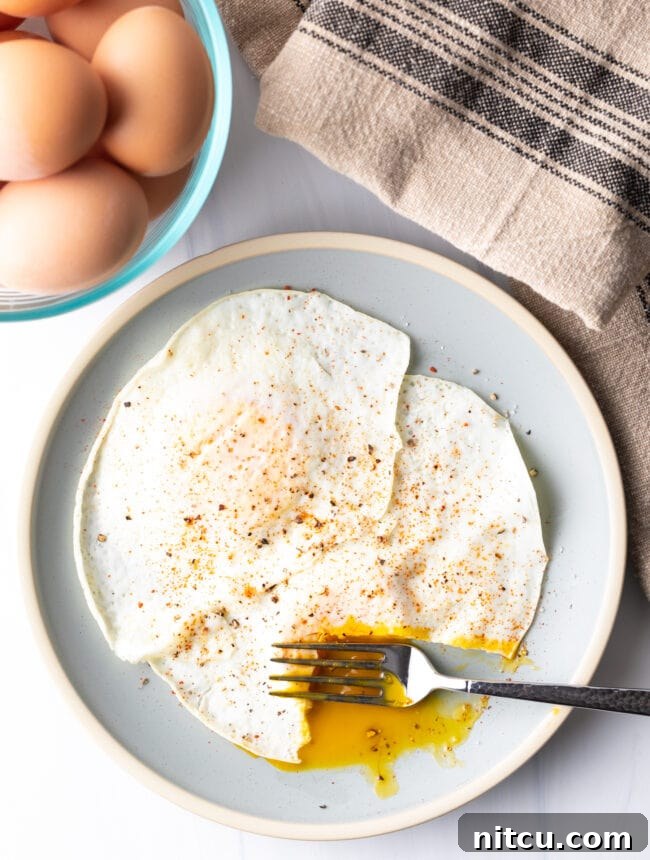
Unlock the secret to flawlessly soft, perfectly runny, and incredibly delicious Over Easy Eggs in under 5 minutes with this definitive, no-fail guide!

Mastering the Perfect Over Easy Egg
The term “Over Easy Eggs” might sound deceptively simple, leading many to believe they are notoriously difficult to master. While achieving that perfect, gently cooked white and beautifully runny yolk does require a precise touch, it’s far from impossible. This guide is designed to demystify the process, revealing the straightforward techniques that will elevate your egg-frying skills.
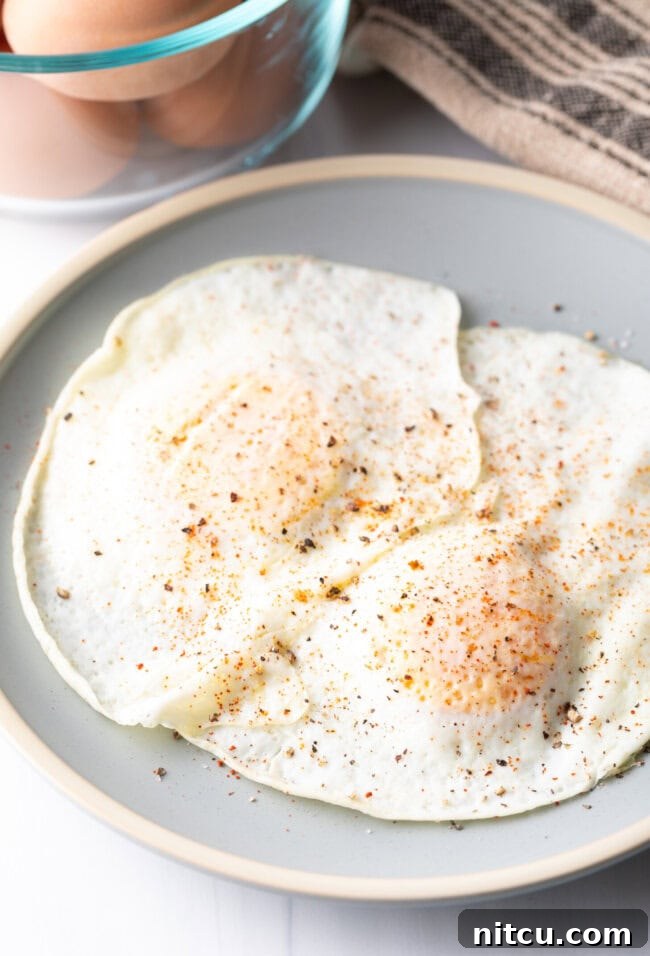
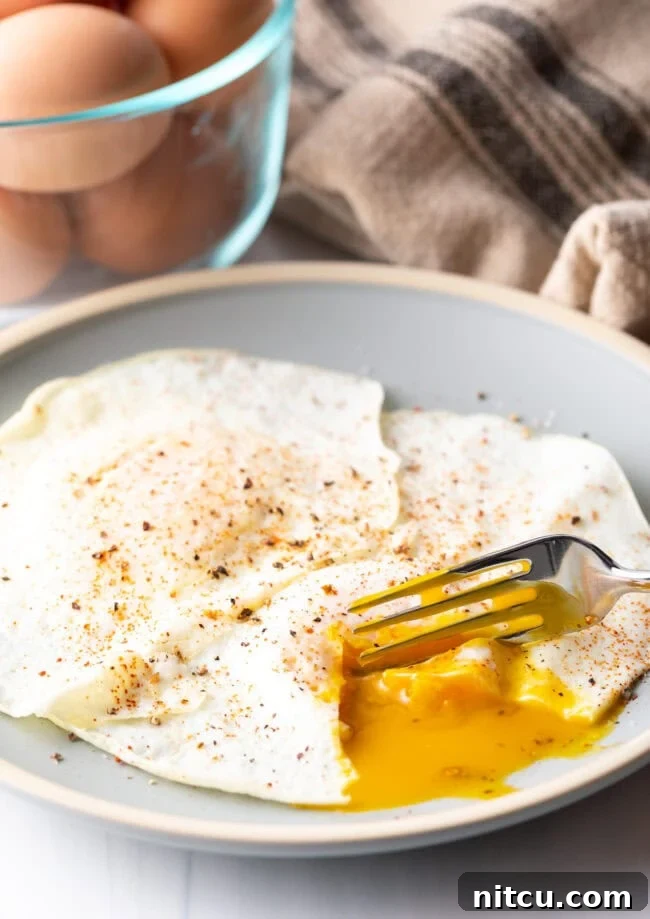
Today, we’ll dive into the best method for crafting eggs over easy that are tenderly cooked on both sides, ensuring a luscious, liquid gold yolk at their heart. With just a few key principles in mind and a little practice, you’ll be consistently preparing restaurant-quality over easy eggs in no time. Forget the myth of complexity; simplicity and precision are your allies here.
Why Over Easy Eggs Are a Breakfast Staple You’ll Love
- Packed with Protein – Eggs are an exceptional source of high-quality protein, providing all nine essential amino acids necessary for muscle repair, growth, and overall bodily function. Starting your day with over easy eggs delivers a satisfying boost that keeps you full and energized, making them a delicious and nutritious cornerstone of any meal.
- Effortlessly Easy & Quick – Despite their gourmet appearance, these eggs are remarkably simple to prepare. Our no-fail method ensures you can whip up perfectly cooked over easy eggs in under 5 minutes, making them ideal for busy mornings or a quick, satisfying meal anytime.
- Perfect for Culinary Beginners – Don’t let the flipping intimidate you! This recipe is specifically tailored for amateur cooks eager to enhance their kitchen repertoire. We’ll guide you through each step, helping you build confidence and ace your egg-frying technique, transforming you into an egg-master in no time.
Whether nestled atop a slice of crispy toast, serving as the star of a hearty breakfast sandwich, or crowning a vibrant breakfast bowl, over easy eggs promise to be a delightful addition to any plate. Their versatile nature and comforting appeal ensure they’ll always be a hit.
Essential Ingredients and Preparation Tips
Crafting the ideal over easy egg requires just a few basic ingredients, but selecting them wisely and understanding their role is crucial for superior results.
- Fresh Eggs – For the most vibrant yolks and firm whites, opt for fresh, large eggs. While the color of the shell (brown or white) doesn’t impact flavor or quality, fresh eggs tend to hold their shape better, making them easier to handle in the pan and reducing the likelihood of a broken yolk.
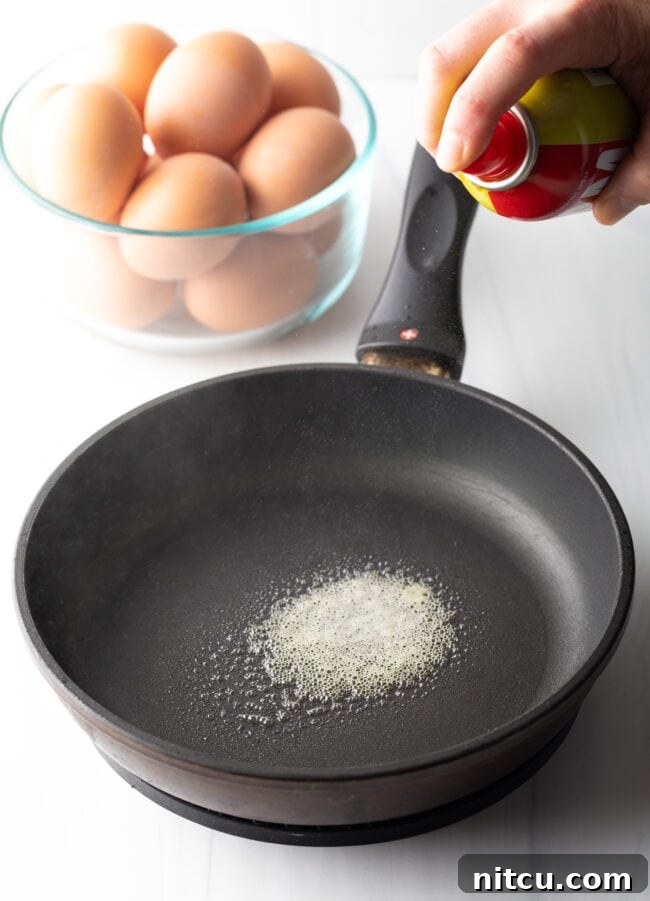
- Cooking Fat (Oil or Butter Spray) – The right cooking fat is key to preventing sticking and achieving a beautiful, even cook. While traditional butter lends a rich flavor, a cooking spray (canola, olive oil, or butter-flavored) offers excellent non-stick properties with minimal fat, ensuring your eggs slide easily from the pan. The goal is a very thin, even layer of fat.
- Seasonings – The timeless duo of salt and freshly ground black pepper is all you truly need to enhance the natural richness of the egg. Always season the egg once it’s on the plate to control the amount and prevent over-salting during cooking, which can draw out moisture.
Recipe Variations and Dietary Adaptations
One of the best aspects of cooking eggs is their adaptability. You can easily customize your over easy eggs to suit your taste preferences or dietary needs.
- Enhanced Spices – Elevate your flavor profile beyond salt and pepper. Consider a sprinkle of smoked paprika for a hint of smoky warmth, a dash of cayenne pepper for a subtle kick, or a pinch of garlic salt for an aromatic twist. Experiment to discover your favorite combination.
- Low-Sodium Option – For those managing sodium intake, simply omit the salt. The natural flavor of a perfectly cooked egg is delightful on its own, especially when paired with other flavorful components in your meal.
- Dairy-Free Alternative – If you’re avoiding dairy, easily swap traditional butter with olive oil or another plant-based cooking oil. These alternatives provide the necessary lubrication for frying without compromising on taste or texture.
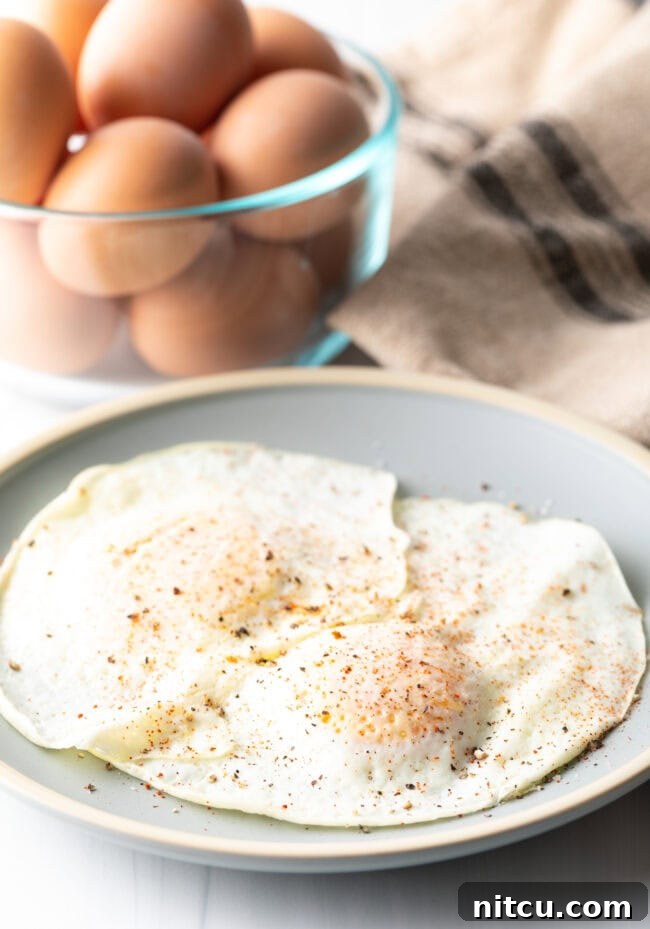
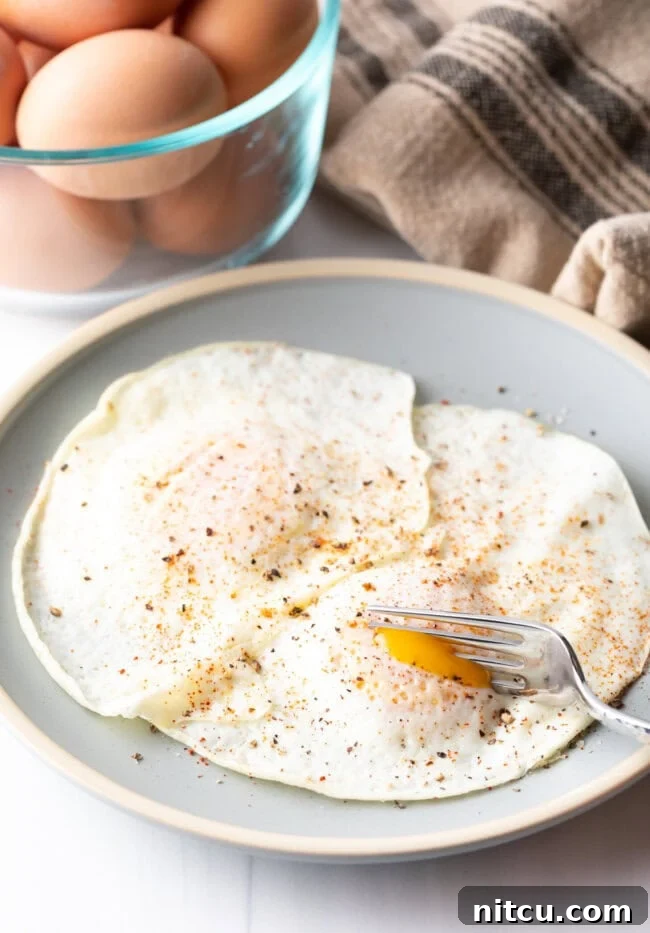
Your Step-by-Step Guide to Making Over Easy Eggs
Achieving those coveted perfect over-easy eggs is quicker than you think, typically coming together in less than 5 minutes. The key lies in slow, gentle cooking in a skillet, allowing the whites to set beautifully while preserving that vibrant, runny yolk.
For the complete Over Easy Eggs recipe, including precise measurements, detailed cooking instructions, and useful storage tips, please refer to the printable recipe card located at the end of this article!
Expert Tips for Over Easy Egg Perfection
Achieving consistently perfect over easy eggs is all about technique and attention to detail. These expert tips will guide you toward flawless results every time:
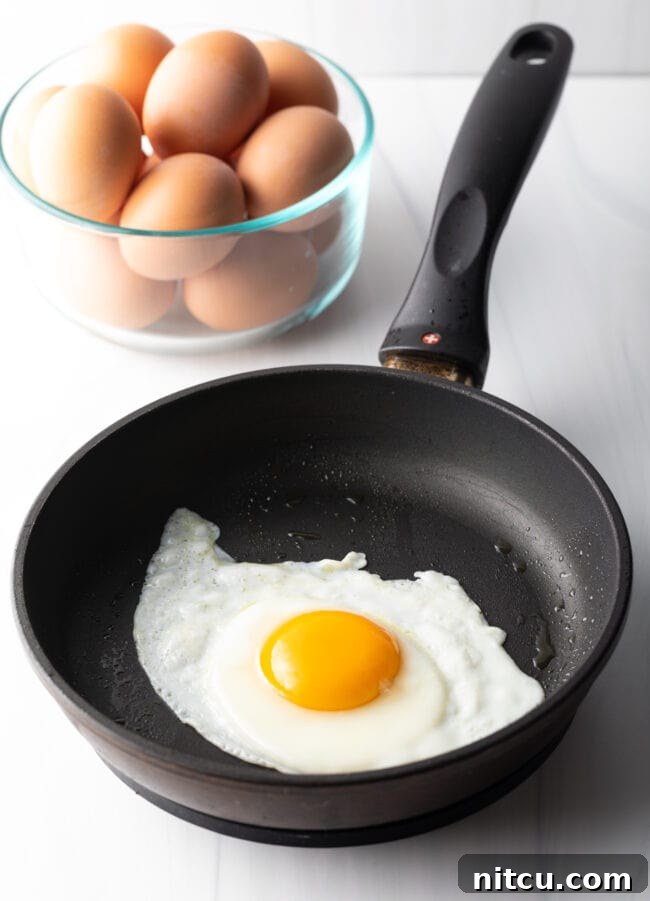
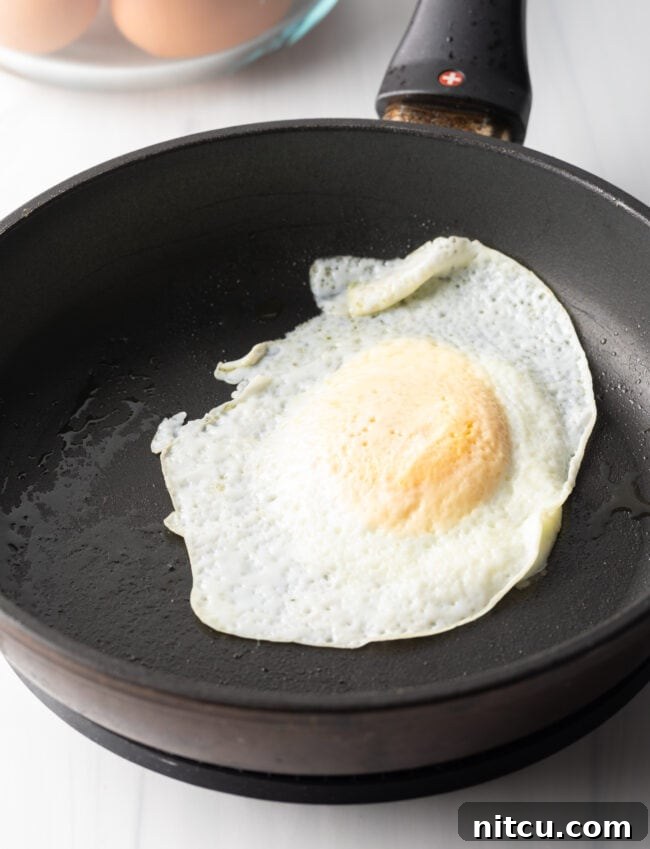
- Maintain a Low Temperature: This is arguably the most critical step. Over easy eggs thrive on low, gentle heat. If you notice your egg whites turning golden or brown within the first two minutes, your heat is definitely too high. Lower temperatures allow the whites to set slowly and evenly without crisping or burning, ensuring a tender texture and a perfectly runny yolk.
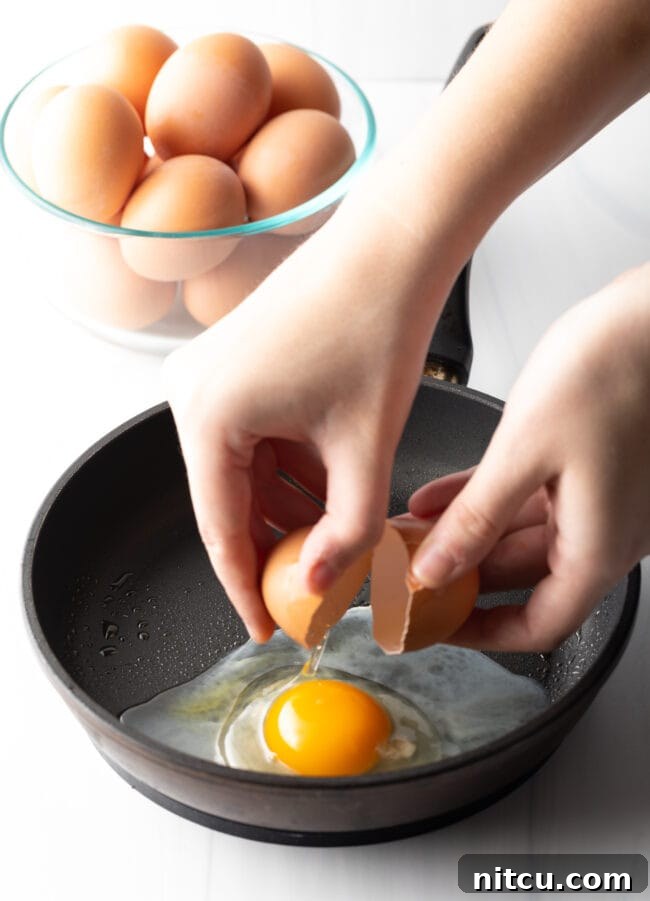
- Crack Eggs Gently and Low: To prevent the delicate yolk from breaking, always crack your egg as close to the skillet as possible. Tap the egg on a flat surface (not the rim of the pan, which can push shell fragments inward) and gently separate the shell halves. Carefully guide the egg into the center of the pan, being mindful not to touch your fingers to the hot surface.
- Flip When Edges Are Dry: Wait for the egg white to fully set and the edges to appear opaque and slightly dry before attempting to flip. This indicates that the egg has enough structural integrity to be turned without tearing. Patience is key here.
- Center the Yolk Before Flipping: For a beautifully presented over easy egg, try to gently nudge the yolk to the center of the white with your spatula before the flip. This ensures the yolk remains encased and perfectly positioned after cooking.
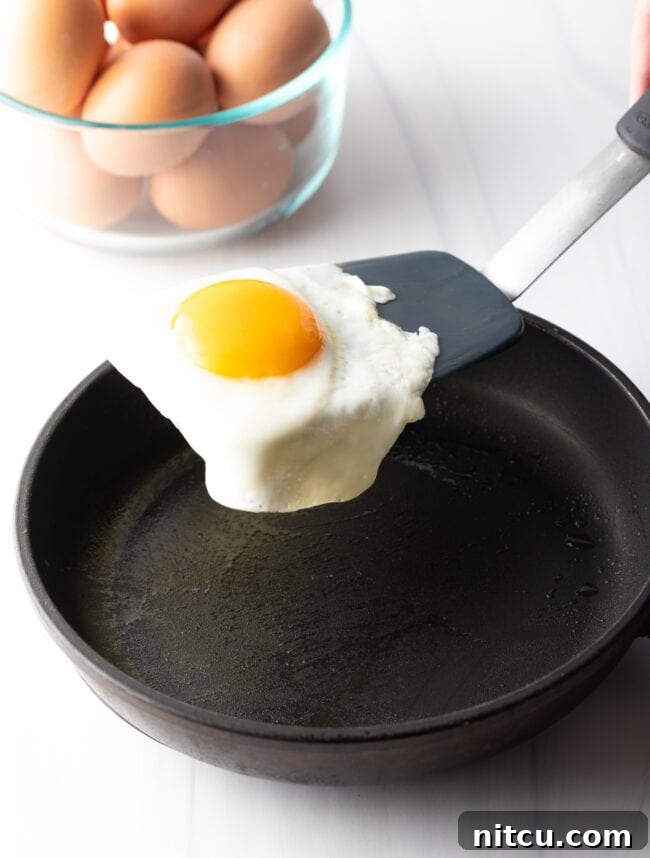
- Use the Right Spatula and Technique: A wide, thin, flexible nonstick spatula is your best friend. Slide it completely under the egg, making sure the entire white is supported. A confident, swift flip is better than a hesitant one to avoid folding or breaking the egg.
- Embrace or Shape Irregular Whites: It’s completely normal for the egg white to spread irregularly in the pan, creating unique, organic shapes. Many find this rustic charm appealing. However, if you prefer perfectly round eggs, silicone egg rings or molds placed in the skillet can help. Remember to generously spray the inside of these molds with nonstick spray before adding the egg to prevent sticking.
Storage and Reheating Instructions
Over easy eggs are undoubtedly at their peak when enjoyed immediately, fresh off the skillet. The warm, runny yolk is a fleeting pleasure best savored in the moment. However, if you find yourself with a rare leftover, here’s how to handle them:
Storing Leftovers – Allow any cooked over easy eggs to cool completely to room temperature before transferring them to an airtight container. Refrigerate promptly and consume within 2 days for the best quality. Be aware that the yolk’s texture will change slightly upon cooling.
Reheating Leftovers – To gently reheat, place the eggs in a nonstick skillet over very low heat, adding a tiny splash of water and covering for a minute or two to create steam. Alternatively, you can use a microwave-safe plate and microwave for just a few seconds at a time. The crucial part is to be extremely careful not to overcook the yolk during reheating, as it can quickly lose its desired runny consistency. They will likely be more “over medium” than “over easy” after reheating.
Delicious Serving Suggestions
A perfectly cooked over easy egg is a versatile culinary delight, ready to be paired with a multitude of flavors and dishes. Elevate your egg experience with these suggestions:
For an extra layer of flavor, consider a dusting of your favorite spice blend, a zesty dash of hot sauce, a comforting squirt of ketchup, or a fresh scoop of salsa. There’s no single “right” way to enhance your egg; let your palate be your guide!
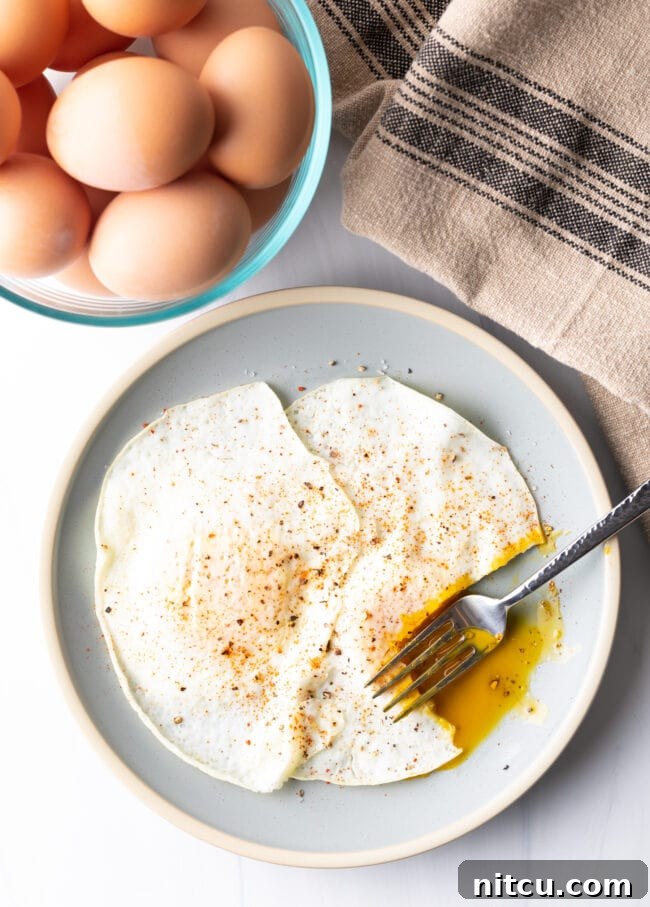
The soft, runny yolk of an over easy egg is an ideal companion for classic breakfast and brunch items. It creates a rich, natural sauce that enriches every bite. Pair it perfectly with:
- Creamy Avocado Toast, where the healthy fats and smooth avocado texture perfectly complement the runny yolk.
- Hearty Irish Cheese Toasties, offering a gooey, cheesy base for the egg.
- Fluffy Pancakes or easy Sheet Pan Pancakes, providing a soft, sweet counterpoint.
- Crisp, golden The Best Waffles for a textural delight.
- Sweet, custardy Traditional French Toast.
- Warm, buttery Fluffy Southern Cat Head Biscuits, especially when topped with savory Sausage Gravy.
- Crispy Oven Cooked Bacon for that irresistible salty crunch.
- A refreshing Breakfast Salad for a lighter, nutrient-rich option.
But don’t confine this incredible protein to just breakfast! Over easy eggs are “egg-cellent” for enhancing your savory dishes at any time of day. Try them:
- Perched on top of warm Buttermilk Biscuits.
- As the crowning glory for zesty Huevos Rancheros.
- Adding richness to Korean Bibimbap.
- Completing a wholesome Mean Green Buddha Bowl.
Print Recipe
Leave a Review »
How To Make An Over Easy Egg
1 minute
3 minutes
4 minutes
1 egg
Video
Ingredients
- 1 Large Egg
- Cooking Oil or Butter Spray
- Salt and Freshly Ground Black Pepper
- Optional Seasonings: Smoked paprika, cayenne pepper, garlic salt
Instructions
-
Set a small, high-quality nonstick skillet over low heat. Once slightly warm, spray the skillet with a very fine, even layer of cooking oil or butter spray. It’s crucial to have just enough fat to prevent sticking, but not so much that the egg fries vigorously.
-
Gently crack the egg on a flat surface or the side of the counter, then carefully open it close to the skillet’s surface. Allow the egg to slide into the center of the pan, taking care not to break the delicate yolk. For an extra precise center, you can use the edge of the shell or a spatula to gently guide the yolk to stay centered within the white for a few seconds.
-
Cook the egg on low heat for approximately two minutes. Observe closely: the egg white should set and turn opaque, but it should not develop any golden or brown edges. If it does, your heat is too high.
-
With a flat, wide nonstick spatula, gently slide it completely underneath the entire egg, ensuring it’s fully supported. Carefully and confidently flip the egg over to the other side, aiming for the center of the pan. A larger spatula generally provides better support than a smaller, more flexible one.
-
Continue cooking on the second side for approximately one minute. This brief cook time is just enough to fully set the top of the egg white while ensuring the yolk remains wonderfully runny. Do not cook it for longer than a minute if you desire an over easy consistency.
-
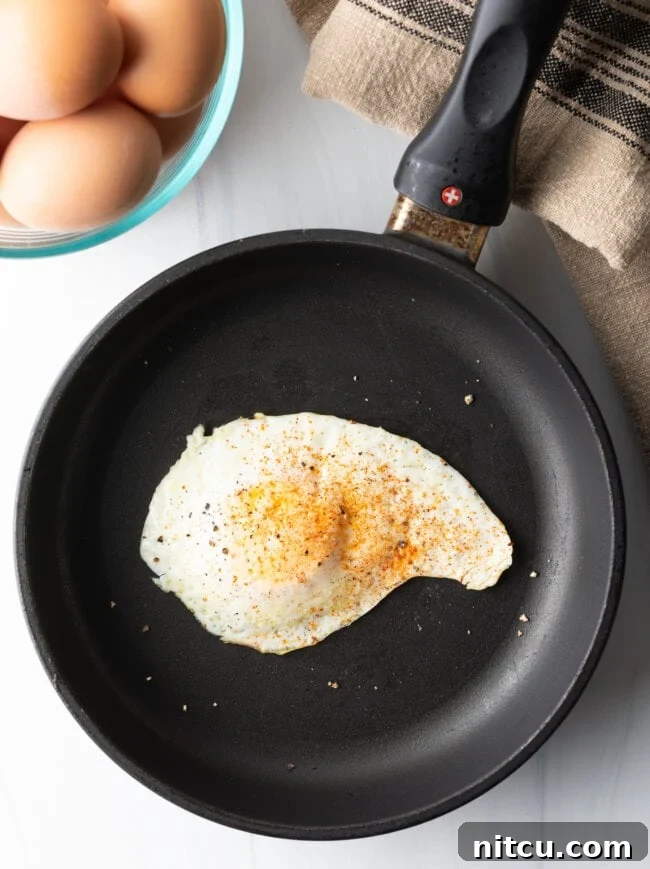
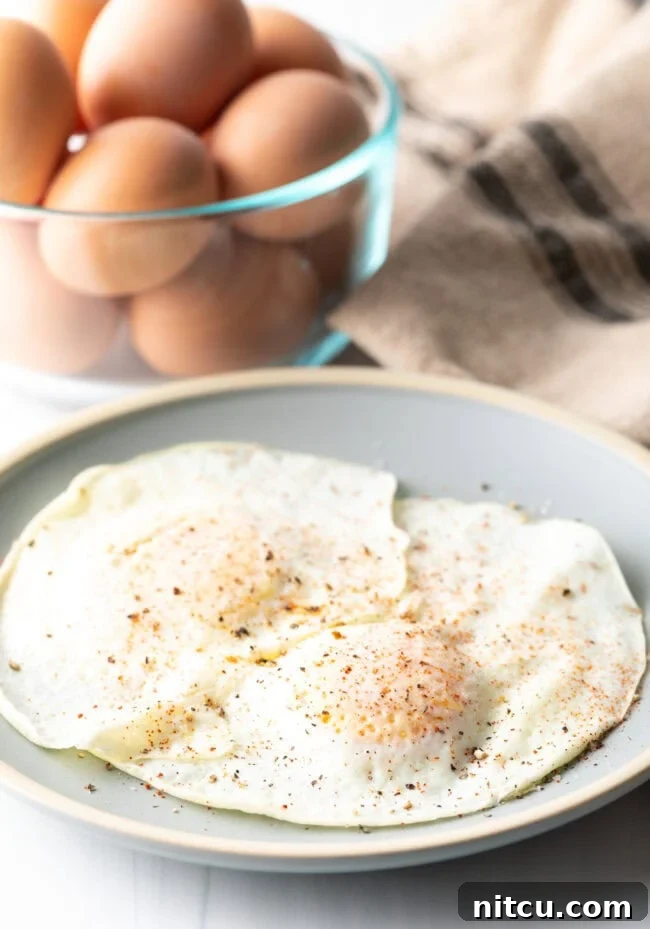
Carefully slide the cooked egg onto a plate. Season immediately with salt and freshly ground black pepper, and any additional desired spices. Serve hot and enjoy!
-
If preparing multiple eggs, repeat the process. While a large skillet can accommodate more than one, practicing with a single egg is recommended until you master the technique.
Notes
Key Over Easy Egg Tips:
- Remember to keep the temperature consistently low throughout the cooking process. High heat will result in crispy, brown edges and a less tender white.
- Always crack your egg close to the skillet to minimize the risk of the yolk breaking upon impact.
- The ideal moment to flip is when the edges of the egg white are visibly set and appear dry, indicating enough structural integrity.
- For a visually appealing egg, gently ensure the yolk is as centered as possible within the white before you attempt the flip.
- Use a wide, flat spatula and slide it completely under the egg to provide full support during the flip, preventing tears or folds.
- Irregularly shaped whites are natural and charming. If you prefer a perfectly round egg, use silicone molds in your skillet, remembering to spray them with nonstick spray first.
Storing Leftovers – Allow your over easy eggs to cool to room temperature before placing them in an airtight container. They can be stored in the refrigerator for up to 2 days. Keep in mind that the yolk will firm up slightly upon cooling.
Reheating Leftovers – To reheat, gently warm the eggs in a nonstick skillet over very low heat for a few seconds, or briefly in the microwave on a microwave-safe plate. Exercise caution to avoid overcooking the yolk, which can quickly turn firm. The goal is to warm, not re-cook.
Nutrition
Breakfast, Brunch
American
Sommer Collier
Cook It? Love It? Rate It!
Help others discover this recipe! We appreciate your rating and review. Thank you for your support!
Frequently Asked Questions About Over Easy Eggs
The key distinction lies in the cooking time on each side. Sunny side up eggs are cooked only on one side, leaving the yolk completely exposed, bright yellow, and very loose—almost raw in consistency. Over easy eggs, however, are gently cooked on both sides. This brief flip sets a thin film over the yolk, creating a delicate white pocket that encases a beautifully soft and runny interior. Both are fried eggs, but over easy provides a slightly more cooked white texture while retaining the liquid yolk.
The preference between over easy and sunny side up eggs is entirely personal and depends on how you enjoy your yolks! Over easy eggs offer a runny and smooth yolk with a very thin, barely cooked film over it, providing a slightly more integrated texture. Sunny side up yolks are often preferred by those who enjoy a more “raw” or extremely liquid yolk experience. Neither is objectively “better”; it simply comes down to individual taste and desired yolk consistency.
When cooking over low heat, the ideal time for frying an over easy egg is approximately 1-3 minutes on the first side, followed by a quick 30 seconds to 1 minute on the second side. Our recommended cook time for a reliably runny yolk is 2 minutes on the initial side and then just 1 minute after flipping. This brief second cook ensures the white is set while the yolk remains perfectly molten.
Unfortunately, over easy eggs are best enjoyed immediately after cooking. The characteristic runny yolk is a delicate feature that diminishes significantly with storage and reheating. While you can store leftovers (see “Storage Instructions” above), the yolk will likely firm up and lose its desired liquid texture. For the most delicious and authentic over easy experience, always cook them fresh.
Explore More Delicious Egg Recipes You Might Like
If you’ve enjoyed mastering the art of over easy eggs, you might be interested in expanding your egg-cellent culinary skills with these other fantastic recipes:
We hope this comprehensive guide empowers you to cook perfect over easy eggs with confidence and joy. Enjoy your delicious, runny-yolked creations!