Photo credit clipart-finder.com
Harvesting & Freezing Rhubarb: Your Ultimate Guide to Year-Round Tart Delights
Life can sometimes throw unexpected challenges our way, demanding a pause from our usual routines and a renewed focus on self-care. This past week, a kidney infection certainly knocked me for a loop, reminding me of the profound importance of nourishing my body and simplifying daily tasks, especially when energy is low. As I slowly regain my strength, striving to shake off the lingering fatigue – and avoid any dreaded “man cold” accusations – my thoughts naturally turn to the vibrant bounty of the garden and smart strategies for ensuring wholesome, homemade food is always within reach. And what better embodies the spirit of seasonal eating and efficient meal preparation than the unique, tart wonder that is rhubarb?
Rhubarb holds a truly special, albeit sometimes divisive, place in my kitchen. While my husband harbors a burning passion of a thousand suns against its distinctive flavor, the rest of us – myself included – simply adore this versatile spring and early summer treat! Its beautifully tangy profile makes it incredibly adaptable, perfect for everything from comforting baked goods to refreshing beverages. The main challenge, however, lies in its relatively short growing season. This is precisely why mastering the art of freezing rhubarb isn’t just a convenience; it’s an essential skill for any enthusiast eager to savor its deliciousness year-round. By expertly preserving these vibrant stalks, we can extend their delightful presence far beyond their natural harvest window, ensuring a taste of spring’s freshness even in the depths of winter.
The Wisdom of Preservation: Why Freezing Rhubarb is a Culinary Essential
Embracing the practice of preserving seasonal produce, such as rhubarb, offers a multitude of benefits that extend far beyond merely having an ingredient on hand. It serves as a cornerstone of sustainable living, intelligent meal planning, and ensuring your pantry is consistently stocked with wholesome, homemade goodness. Here’s a deeper look into why freezing rhubarb is an absolute game-changer for any home cook:
- Extended Enjoyment Beyond Season: Rhubarb’s peak season is fleeting, typically gracing us with its presence from April to June. Freezing allows you to capture its distinctive tartness and enjoy it throughout the entire year, adding a vibrant touch of spring to your culinary creations whenever the craving strikes, even during the chilliest months.
- Economic Advantage: When rhubarb is in season, it’s often at its most abundant and therefore most affordable, especially if you cultivate your own or purchase it in bulk from local farmers’ markets. Freezing enables you to capitalize on these peak opportunities, reducing your long-term grocery expenses and making your food budget go further.
- Minimizing Food Waste: If you’re fortunate enough to have an overflowing harvest from your garden or discover an irresistible deal on fresh rhubarb, freezing is the perfect solution to prevent any of it from going to waste. This mindful approach to food consumption is not only environmentally friendly but also ensures you make the most of every delicious stalk.
- Optimal Nutrient Retention: Freezing is widely recognized as one of the best methods for preserving the nutritional integrity of fruits and vegetables. Rhubarb is naturally rich in dietary fiber, Vitamin K, and beneficial antioxidants, and the freezing process helps to lock in these vital compounds, keeping your frozen stock as healthy as fresh.
- Unmatched Convenience and Versatility: Having pre-portioned, frozen rhubarb at your fingertips significantly cuts down on preparation time for future recipes. It’s ready to be added directly into pies, muffins, smoothies, and more, transforming spontaneous baking or cooking into an effortless and enjoyable experience.
In essence, freezing rhubarb elevates a cherished seasonal delight into a versatile pantry staple, poised to inspire countless culinary adventures. From crafting vibrant jams with other fruits as they reach their seasonal prime – or simply when you find the time and energy – to whipping up batches of comforting rhubarb strussel muffins, invigorating smoothies, or even wholesome rhubarb leather (my slightly tweaked version of a recipe from Mary Bell’s Complete Dehydrator Cookbook is a perennial favorite!), the culinary possibilities are truly boundless. And let’s not forget the irresistible allure of my grandma’s classic strawberry rhubarb custard pie… Mmmm. My own thriving rhubarb patch is now in its prime, brimming with stalks ready for harvesting this weekend. While I’m still navigating my recovery and feeling a bit worn out, I’m incredibly grateful for the extra hands helping me freeze a substantial portion for later, when my energy levels are fully restored. Though, I might just have to summon the strength to bake a pie very soon, especially with those gluten-free pie crusts patiently waiting in the freezer, practically begging to be used!
The Art of Freezing Rhubarb: A Comprehensive Step-by-Step Guide
Mastering the technique for freezing rhubarb is surprisingly straightforward and guarantees you a top-quality product for all your future culinary endeavors. This particular method, commonly known as “loose-pack freezing,” is specifically designed to prevent the rhubarb pieces from clumping together, allowing you the ultimate flexibility to retrieve precisely the amount you need. Here’s a detailed guide to achieving perfectly frozen, free-flowing rhubarb:
1. Optimal Harvesting Techniques for Rhubarb
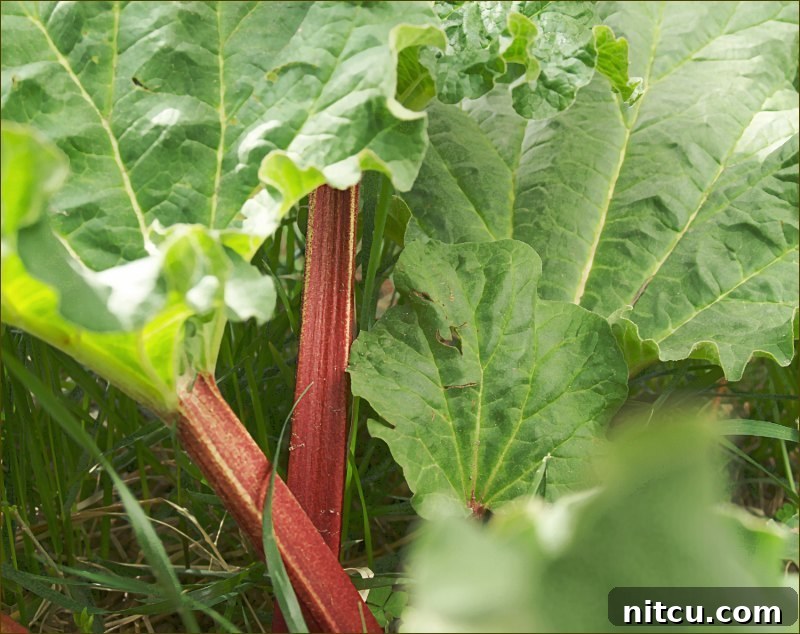
The journey to delectable frozen rhubarb begins with proper harvesting. To ensure the best flavor and tenderness, gently twist the outside rhubarb stalks at their base to pull them cleanly from the plant. It’s best to aim for stalks that are approximately the thickness of your thumb or slightly thinner; these tend to be the most tender and boast the richest flavor. Stalks that become too thick can sometimes develop a tough, stringy texture or lose some of their signature tartness. Immediately after harvesting, it is absolutely crucial to remove all leaves. A vital reminder: rhubarb leaves are toxic and must never be consumed or saved! Dispose of them safely and responsibly. If you don’t grow your own, select firm, vibrant, blemish-free stalks from your local market or grocer.
2. Meticulous Cleaning and Preparation of the Stalks
Once harvested, give your rhubarb a thorough wash under cool, running water. This essential step effectively removes any lingering dirt, debris, or garden residues. Carefully inspect each stalk for any imperfections, and use a sharp knife to cut off any discolored or damaged spots. Next, slice your rhubarb into uniform pieces. I personally find that slicing mine about 1/2 inch thick is ideal, as this consistent size performs beautifully in most recipes, from comforting pies to refreshing smoothies. Uniformity in size is key to ensuring that all pieces freeze and cook evenly, leading to a superior end product.
3. Implementing the Loose-Pack Freezing Method
This is the pivotal stage for achieving beautifully frozen, individual rhubarb pieces. Follow these steps for optimal results:
- Prepare Your Freezing Surface: Begin by lining a large, rimmed baking sheet with a clean kitchen towel or a sheet of parchment paper. The towel can be particularly helpful in absorbing any residual moisture from the rhubarb, while parchment paper is excellent for preventing sticking during the freezing process.
- Arrange in a Single Layer: Carefully spread the sliced rhubarb in a single, even layer across the prepared baking sheet. It is crucial to ensure that the pieces are not overlapping excessively. This separation allows each individual piece to freeze independently, which is key to preventing them from coalescing into an unmanageable frozen block.
- The Flash Freeze: Place the baking sheet into the coldest available section of your freezer. The objective here is to flash freeze the rhubarb as quickly and thoroughly as possible. Depending on the efficiency and temperature of your freezer, this process can take anywhere from 2 to 4 hours, or until each rhubarb piece is completely solid and firm to the touch.
- Transfer to Storage Bags: Once the rhubarb is completely frozen solid, promptly transfer the individual, free-flowing pieces from the baking sheet into high-quality, freezer-safe bags. I typically find it most convenient to freeze mine in pre-measured 2-cup or 4-cup portions, as these are the common measurements called for in most of my go-to rhubarb recipes.
- Seal for Freshness and Label Diligently: For maximum freshness and to effectively guard against dreaded freezer burn, it is imperative to remove as much air as possible from the bags before sealing them. A vacuum sealer is an exceptional tool for this, creating an airtight seal that can dramatically extend the storage life of your frozen produce. However, heavy-duty zip-close freezer bags also perform admirably; simply press out all the excess air before firmly sealing. Finally, do not overlook this crucial step: label each bag clearly with the contents (“Frozen Rhubarb”) and the precise date it was frozen. This “first in, first out” (FIFO) practice is essential for ensuring you utilize your oldest frozen produce first, minimizing waste and maintaining quality.
The loose-pack freezing method is incredibly versatile and can be successfully applied to a wide array of other fruits and vegetables, such as fresh berries, chopped peppers, corn kernels, and even homemade meatballs. It provides unparalleled convenience, allowing you to easily scoop out precisely the amount you require for a recipe without the hassle of thawing an entire block of frozen produce, thereby significantly minimizing waste and maximizing efficiency.
Seamlessly Using Your Frozen Rhubarb
One of the most appealing aspects of frozen rhubarb is its remarkable ease of use. In most culinary applications, you generally do not need to thaw rhubarb before incorporating it into your recipes. If you’re preparing muffins, pies, crumbles, or other baked goods, simply stir the required amount of frozen rhubarb directly into your batter or filling. It behaves very much like frozen blueberries in recipes, lending its characteristic tartness and vibrant color without necessitating any extra thawing steps, making your cooking process smoother and faster.
Beyond the Freezer: Creative Culinary Uses for Your Frozen Rhubarb
With your freezer now delightfully stocked with beautiful, tart rhubarb, a world of exciting culinary possibilities opens up before you. Here are some delectable and imaginative ways to incorporate this incredibly versatile ingredient into your cooking, whether you’re seeking something exquisitely sweet or refreshingly tangy:
- Timeless Baked Goods: Rhubarb truly shines in classic pies, crumbles, crisps, and tarts. Its distinct tartness provides the perfect counterpoint to sweet fillings. Experiment by combining it with strawberries, apples, or even a hint of ginger for an exquisite flavor twist. And don’t forget to put those waiting gluten-free pie crusts to delicious use!
- Hearty Muffins and Quick Breads: Effortlessly fold frozen rhubarb into your favorite muffin or quick bread batter for a delightful burst of flavor, vibrant color, and added moisture. My Rhubarb Strussel Muffins recipe is an absolutely fantastic starting point for this application.
- Luscious Jams, Jellies, and Compotes: Rhubarb’s naturally high pectin content makes it an outstanding candidate for homemade jams and jellies. It pairs wonderfully with other fruits like strawberries, raspberries, or even citrus such as oranges and lemons. A simple rhubarb compote, lightly sweetened, can transform ordinary yogurt, oatmeal, pancakes, or ice cream into a gourmet experience.
- Wholesome Rhubarb Leather: For a healthy, portable, and wonderfully tangy snack, rhubarb leather is an excellent choice. By utilizing a food dehydrator (similar to the methods described in Mary Bell’s Complete Dehydrator Cookbook), you can create homemade fruit leathers that are completely free from artificial additives and packed with natural goodness.
- Intriguing Savory Pairings: Don’t confine rhubarb solely to desserts! Its bright acidity makes it an surprisingly excellent accompaniment to richer meats like pork or duck. Consider preparing a tangy rhubarb chutney or a vibrant rhubarb sauce to serve alongside your next roast or grilled dish for an unexpected culinary delight.
Featured Recipe: The Refreshing Strawberry Rhubarb Smoothie
This vibrant and deliciously tart smoothie offers a perfect and incredibly easy way to enjoy your frozen rhubarb, especially when you’re in need of a quick, healthy, and energizing boost. It’s not only simple to prepare but also wonderfully satisfying.
Strawberry Rhubarb Smoothie
Makes 2 generous servings
Ingredients:
- 1 cup frozen strawberries (for extra chill and creaminess)
- 1/2 cup frozen rhubarb (adds that essential tart kick)
- 1/2 cup frozen banana pieces (I find freezing bananas in 1-chunk pieces works best for a smooth blend and thick texture)
- 1 cup dairy-free yogurt (my homemade coconut yogurt is a fantastic choice here, lending a lovely tropical creaminess)
- 1/4 teaspoon ground cinnamon (enhances the fruit flavors)
- 4 tablespoons maple syrup or brown sugar, or to taste (adjust based on your personal preference for sweetness and the inherent tartness of your rhubarb)
Instructions:
Place all the listed ingredients into a high-speed blender. Blend on high speed until the mixture is completely smooth, creamy, and uniform in consistency. If you prefer a thinner smoothie, you can incrementally add a splash of water or additional dairy-free milk until your desired texture is achieved. Taste the smoothie and adjust the sweetness if necessary. Serve immediately in chilled glasses and revel in a burst of fresh, tangy, and utterly delicious flavor!
Embracing Kitchen Efficiency: More Freezer Favorites and Culinary Wisdom
The philosophy of smart meal preparation and maximizing your freezer’s potential extends far beyond the realm of rhubarb. It’s about cultivating a well-stocked, organized kitchen that actively supports healthy eating habits, even during the busiest weeks or when you might be feeling less than 100%. For even more invaluable inspiration on leveraging the power of your freezer, I highly recommend visiting MJ’s insightful blog for her renowned Freezer Food Friday series. This week, she brilliantly features the creation of homemade chicken stock – an absolute kitchen staple and a truly fantastic tip that benefits us all.
My own approach to crafting homemade chicken stock is quite similar to MJ’s, though I often scale it up significantly to maximize efficiency and yield. After roasting a batch of three to four chickens (and meticulously freezing the delicious cooked chicken meat for future use in quick salads, sandwiches, or easy weeknight dinners), I utilize my trusty, oversized roaster. Into this capacious pot go the chicken carcasses and bones, along with any suitable vegetable scraps judiciously collected from my fridge’s crisper drawer – think flavorful onion skins, vibrant carrot ends, aromatic celery leaves, and herb stems. Essentially, I transform this large roaster into a giant, slow-cooking vessel, allowing the ingredients to simmer gently for many hours, meticulously extracting every ounce of rich flavor and valuable nutrient. The resulting dark, aromatic, homemade stock is then carefully portioned and frozen, standing ready to form the indispensable base of countless nourishing soups, hearty stews, delectable sauces, and creamy risottos. Its unparalleled depth of flavor simply cannot be matched by any store-bought alternative.
Conclusion: Savor the Season, All Year Long with Frozen Rhubarb
Embarking on the journey of embracing the bounty of seasonal produce, such as the delightful rhubarb, and diligently learning effective food preservation techniques is an immensely rewarding endeavor that profoundly enriches both your culinary skills and your overall well-being. Freezing rhubarb is a simple yet incredibly powerful method to ensure you consistently have access to this wonderfully versatile ingredient, effectively transforming it from a fleeting spring treat into a beloved year-round staple in your kitchen. Whether you’re blending its tartness into a revitalizing smoothie, baking it into a comforting, nostalgic pie, or boldly exploring new and exciting savory applications, your thoughtful efforts in the kitchen will undoubtedly yield delicious and deeply satisfying dividends. So, gather your vibrant stalks, meticulously follow these straightforward steps, and prepare to relish the incomparable tart deliciousness of rhubarb whenever the craving gracefully strikes!